

If there was ever a time for the inevitable "Rach Three” (piano concerto, not symphony) in the composer’s 150th anniversary year – and I confess I dodged other occasions – it might as well have come in the fresh and racy shape of Leif Ove Andsnes' interpretation and the equally alert, forward-moving playing of the London Philharmonic Orchestra under a kindred spirit, its principal conductor Edward Gardner.
In short, there was no slack either in the concerto or an even greater masterpiece, the Choral Symphony The Bells, and yet no lack of emotional intensity either. Andsnes is usually more a mountain-spring kind of tonemaster, and here he had to ride the torrents. His unexpectedly brilliant way with the concerto revealed itself 13 years ago in a Barbican performance with the BBC Symphony Orchestra and the late, much-missed Jiří Bělohlávek. 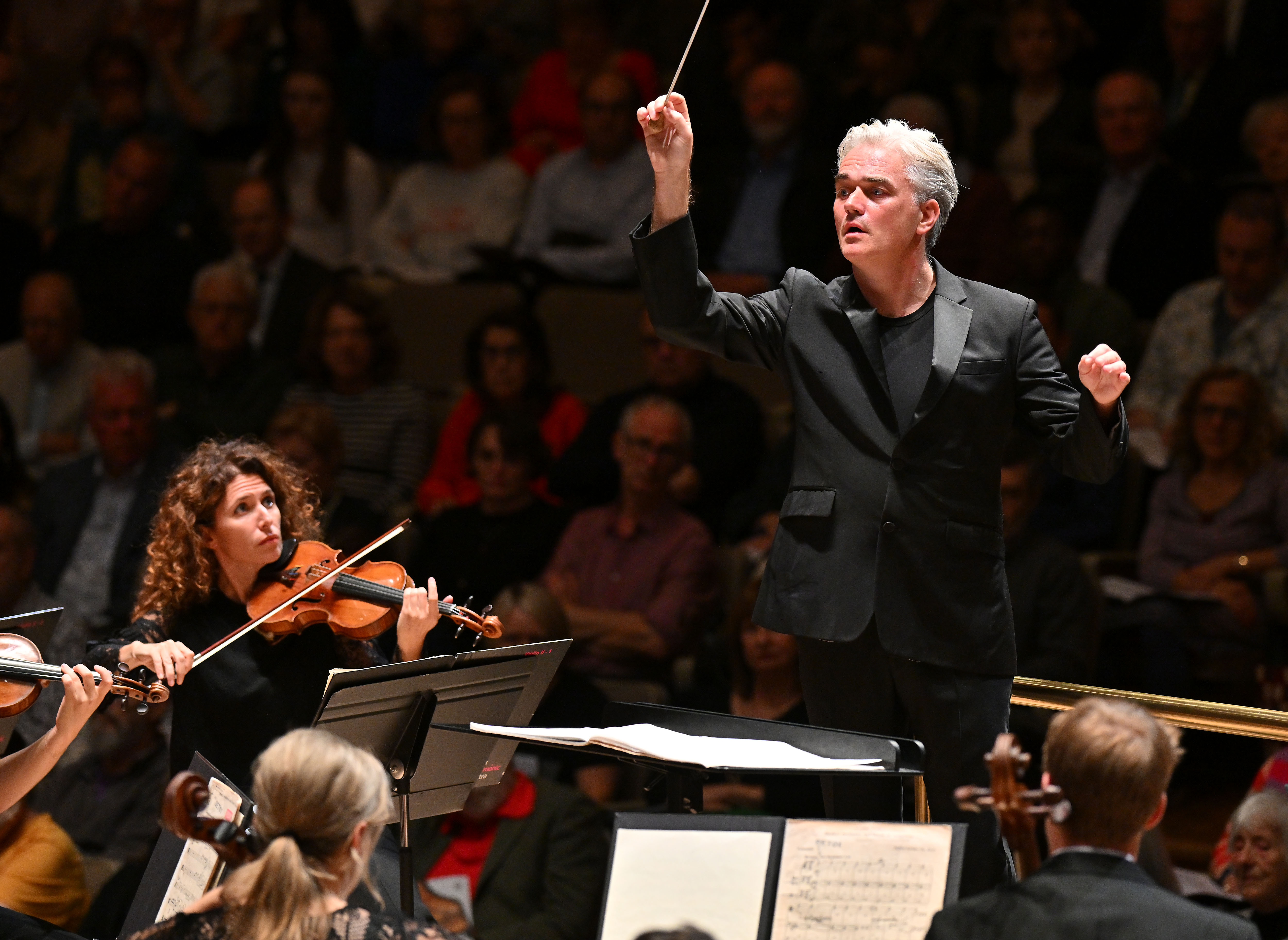 It seems, from looking back at the review of that event, that not much has changed, nor should it: the total articulation of every note, whirring middle lines included, the forward momentum which Gardner (pictured above by Mark Allan; no live images available) and his players are also on to at every twist and turn, the refusal to sentimentalise the big melodies. Maybe the lower register isn’t as thunderously rich as it is with some of the work’s most celebrated interpreters – Nikolay Lugansky, for one – but the crystalline other extreme of the keyboard is startlingly at the service of Rachmaninov’s flyaway fantasy, crucial in the long, rooted middle sequence of the finale which can drag in less keen hands. A standing ovation was inevitable; Andsnes eventually gave us as encore the Étude-Tableau Op. 33 No. 2, very much related to the more inward flights of the concerto.
Gardner’s seemingly effortless handling of more imaginative orchestration in Rachmaninov, preceded by his sensational Proms performance of the Symphonic Dances where a rarer and longer piano concerto, Busoni’s, filled the second half with Benjamin Grosvenor, came into its own in the other orchestral work, this time with chorus and vocal soloists, which stands at the very top of the composer’s achievement, The Bells. The opening scherzo, “The silver sleigh bells”, is unusually bright and sweet for both the original author of the poems, Edgar Allan Poe, and the usually lugubrious composer. The instrumental glitter is diamond-studded, and brilliantly executed; Ukrainian tenor Dmytro Popov lived the excitement of the winter sleigh ride, and the London Philharmonic chorus blazed and mused around him. 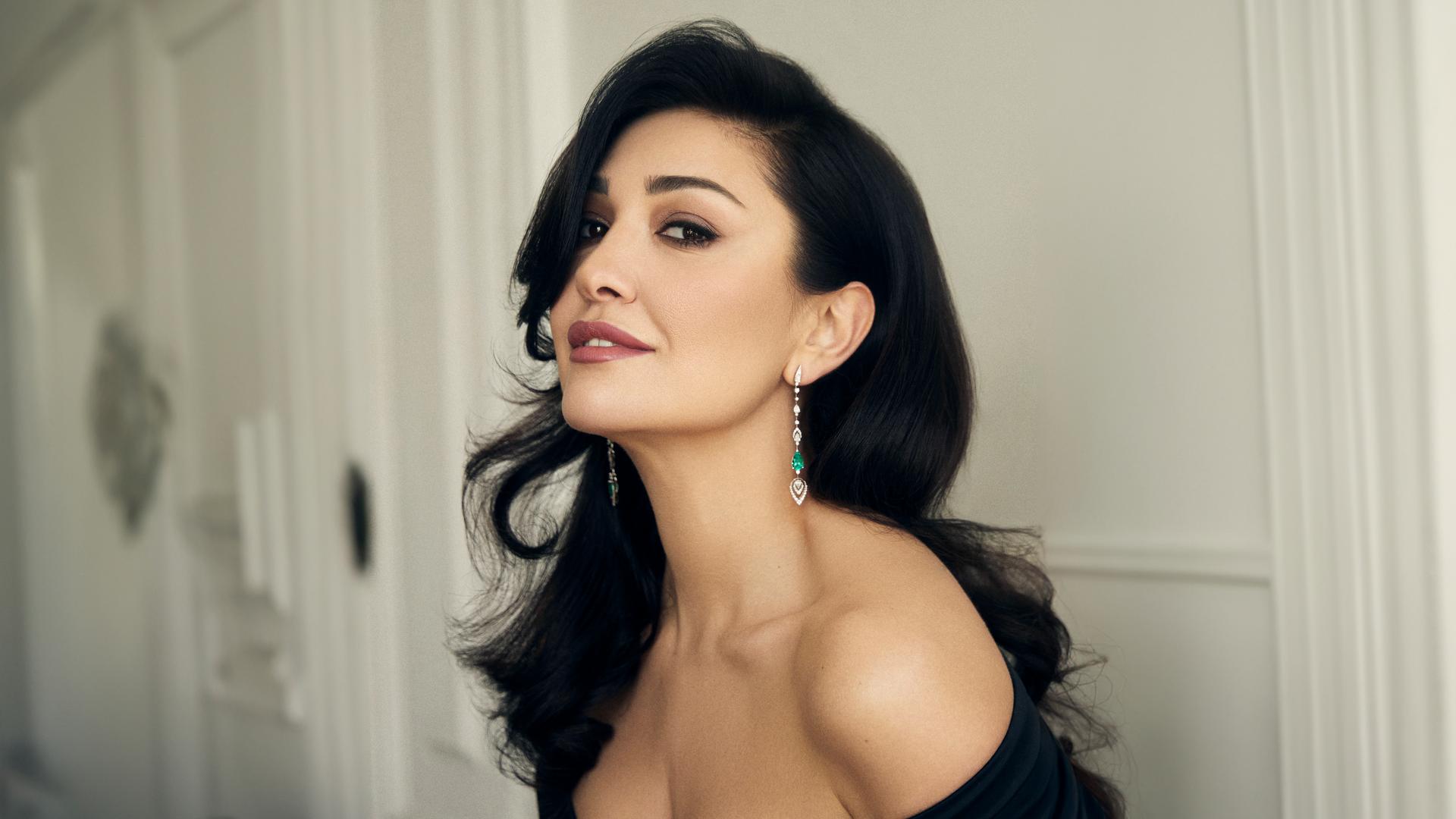 “Wedding Bells”, with more dark mystery between the light, had the ideal rapturous soaring from Kristina Mkhitaryan (pictured above by Diana Guledani): a predictable triumph after the vocal beauty of her Tatyana in the Royal Opera Eugene Onegin, where her obvious identification with the music had been hampered by the production. Is there a more difficult or rewarding clamour for the chorus than the apocalyptic movement they have for themselves, “The loud alarum bells”? This team executed it with focused fire, Gardner managing all the stop-starts without ever losing the drive. And if Kostas Smoriginas seemed more outwardly nervous than his fellow soloists, he delivered on the doom and gloom of the funeral bells before the most transcendental of orchestral epilogues, denying Poe’s finality of the grave.
- The concert will be broadcast on BBC Radio 3 on Wednesday 9 October at 7.30pm and has been filmed for Marquee TV
- More classical reviews on theartsdesk











