Yuri Temirkanov chose a shamelessly populist programme for the London leg of the St Petersburg Philharmonic tour. But Khachaturian, Prokofiev and Shostakovich are core repertoire for this orchestra, and ideal for showing off its many strengths. In an impressive coup, they also managed to engage the services of legendary pianist Martha Argerich for the Prokofiev concerto, and the result was a compelling afternoon of Soviet-era classics.
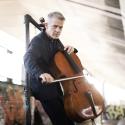
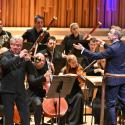
On the basis of this showing, the St Petersburg Philharmonic is a world-class orchestra. Their tone is bold and strident, with the focus firmly on the upper strings. The string tone sometimes lacks nuance – it’s more about projection than colour – but the sheer elegance of the violin and cello playing in particular more than compensates. The bias towards the strings may have been a result of the flat stage arrangement, with a single riser for the percussion and back row of woodwinds and the other players all level. The lower brass were visibly obscured and sometimes aurally indistinct, a charge rarely levelled against Western orchestras. The horn sound is satisfyingly distinctive though, burnished and slightly nasal (and thankfully no longer laden with vibrato). Strident woodwind solos complete the picture, the individual players always up against expansive string accompaniment, but never suffering for the competition.
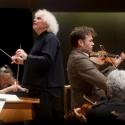
Temirkanov himself is a conductor of the old school. A quotation from The Arts Desk was printed in a huge font across his programme portrait proclaiming that "... no one has such authority in inspiring the players". Indeed not, and the close communication between the conductor and the orchestra he has led since 1988 was everywhere apparent. He conducts with a traditional technique, giving all downbeats and cues, and the result is excellent ensemble and unity of intent, with just enough freedom offered to the principals to let their solos flow. The Spartacus excerpts that opened the programme demonstrated the natural ease of the conductor/orchestra relationship, characterful and dynamic readings, marred only by shaky ensemble at the accelerandos leading into the main theme of the famous Adagio.
Repeated standing ovations followed Argerich’s performance
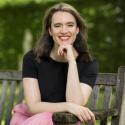
Martha Argerich is another senior musician, holding strong to old-fashioned musical values, and without making any concessions to age. The Prokofiev Third Piano Concerto sits well under her fingers. Her artistry combines passion and flare with an astute, clear-eyed precision, and Prokofiev offers many opportunities for both. She seems to throw her hands around in the faster passages with an impulsive and unpredictable energy, yet every note is perfectly placed and her passagework is always secure. That paradox, between the mercurial energy of her physical presence and the disciplined focus of the results, is endlessly fascinating, but just one aspect of her remarkable art. Quieter and calmer passages are played with reserve, but always with tenderness – although she may perform other composers with high passion, her Prokofiev always has valuable a sense of discipline and proportion, even in the most expressive melodies and volcanic climaxes.
Repeated standing ovations followed Argerich’s performance, drawing her back for the Schumann/Liszt Widmung as a welcome encore. But for the second half, Shostakovich’s Fifth Symphony returned the focus back to the orchestra. Again it was the unity of intent that made this performance so impressive, the orchestra a well-honed vehicle for Temirkanov’s always clearly expressed intentions. The conductor gave a keenly structured account, his impressive sense of line allowing each section to relate clearly to the next. Both orchestra and conductor could be accused of not exploiting dynamic extremes here, but they hardly seemed necessary when the players were able to create such a sense of stillness and calm in the quieter passages, and of furious energy at the climaxes, and without going to those extremes. In such a unified, collective account, it was difficult to pick out particular players for praise, but the harp and celesta at the end of the third movement, and the haunting flute solos in the first, were among the more memorable moments.
Temirkanov took the symphony at a broad pace. This was an account of Brucknerian dimensions, and, as in Bruckner, the final climax appeared with a sense of pre-ordained inevitability. It was unusual not to hear the brass dominating, even here the upper strings managing to remain prominent, but this was still a deeply satisfying orchestral tone, a sound that will live long in the memory, as will Argerich’s compelling account of the Prokofiev.