

Mozart in E flat (the Overture to The Marriage of Figaro) and in G (the K.453 Piano Concerto), and Schubert in C – the “Great” C major Symphony, no less – ushered spring into the Festival Hall on a warm and sunny Sunday afternoon.
Slimmed down to a pocket Philharmonia during the first half, the orchestra sounded a touch scrappy and a size too small for the hall during the overture. Having fluffed the concerto’s opening line, they also took a while to settle and attune themselves to the supple and urbane manner of soloist Jonathan Biss.
 Not yet 40, Biss (main picture) plays with the relaxed and modest authority of a Mozartian éminence grise such as his compatriot Richard Goode. At ease both in and out of the limelight, he commanded a listener’s close attention with freshly minted ornamentation from his first entry onwards, while gracefully ceding prominence in dialogue over some of Mozart’s happiest melodic inspirations. K.453 dates from the fruitful year of 1784, and shining from its affectionate disposition is the respect and mutual understanding between the composer and one of his favourite pupils, Barbara Ployer.
Self-effacing even in his cadenzas, Biss touched on darker feelings in the Andante without introducing either a false note of tragedy or the kind of percussive attack that so often throws rocks into Mozart’s stream of invention. There is the reassuring quality of repeatability about his Mozart: he gave at least the impression that he could address himself to the concerto a hundred times and fall in love with it anew on each occasion.
By way of contrast, the “Great” C major lived very much as a creature of the moment. On another day the first oboe would not have been dealing with a recalcitrant instrument; the trio of trombones could have made a less plain-spoken contribution; the long finale repeat might have been taken, making for a both complete and completely satisfying performance. But this summer’s journey of a symphony resists a culture of perfection.
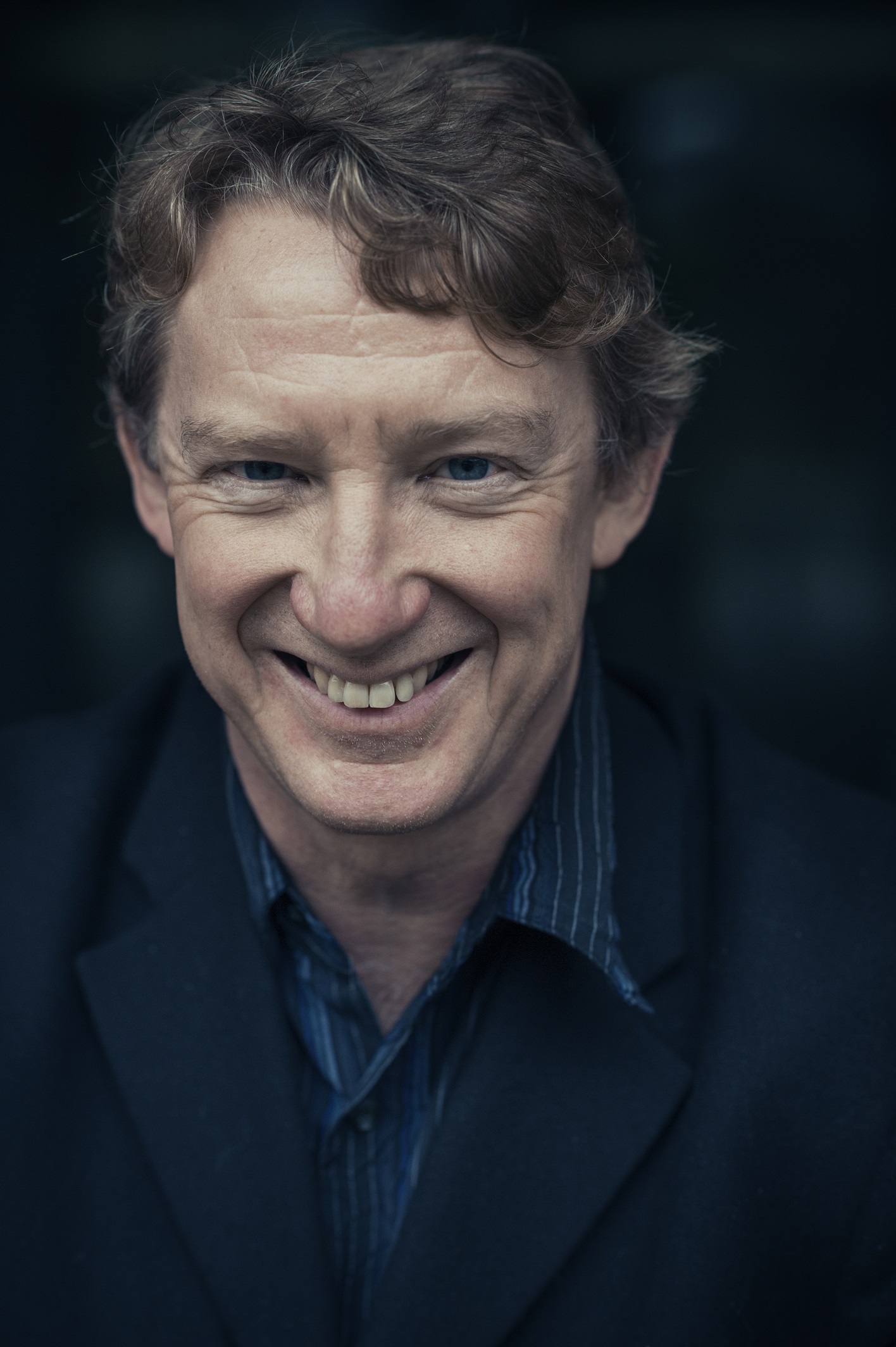
Douglas Boyd (pictured above right by Jean-Baptiste Millot) set a lively pace from the outset, but it was the dynamic balance of his unfussy direction that lent the performance its cumulative strength and continual, gripping momentum. He knew what he wanted to hear at every turn and we heard it too, from the dawn light of the opening horn call to the baritonal night-songs of cellos and bassoons. Only in the build-up to the second movement’s psychological crisis did he lose control of the music’s internal perspectives, and never quite recovered the necessary pathos. The Scherzo’s Trio was infused with wine-soaked nostalgia, and the finale’s endless dance stayed light on its feet to the end thanks to the stamina of the strings and the accents and attacks cultivated by Boyd, who as principal oboe of the Chamber Orchestra of Europe played the symphony often enough under Claudio Abbado to communicate for himself its elemental vitality.











