

Jonas Kaufmann’s legion of admirers could rest content. A well-received Lieder evening last week demonstrated that the world’s hottest tenor property had returned, both to London for a three-concert residency at the Barbican, and indeed to singing after burst blood vessels had forced several months of rest and cancelled concerts.
A welcoming party duly cheered away before he had sung a note of the Wesendonck-Lieder. They had to wait until two lines of the fourth song before savouring the peculiar joys of Kaufmann’s voice at full throttle – appropriately enough, on the phrase "Glory of the sombre world". Otherwise caution was the watchword – unduly so, given how these songs have been owned in public consciousness by full-sail mezzos and helden-sopranos. Understandably so, however, given the demands of Siegmund which awaited in the second half.
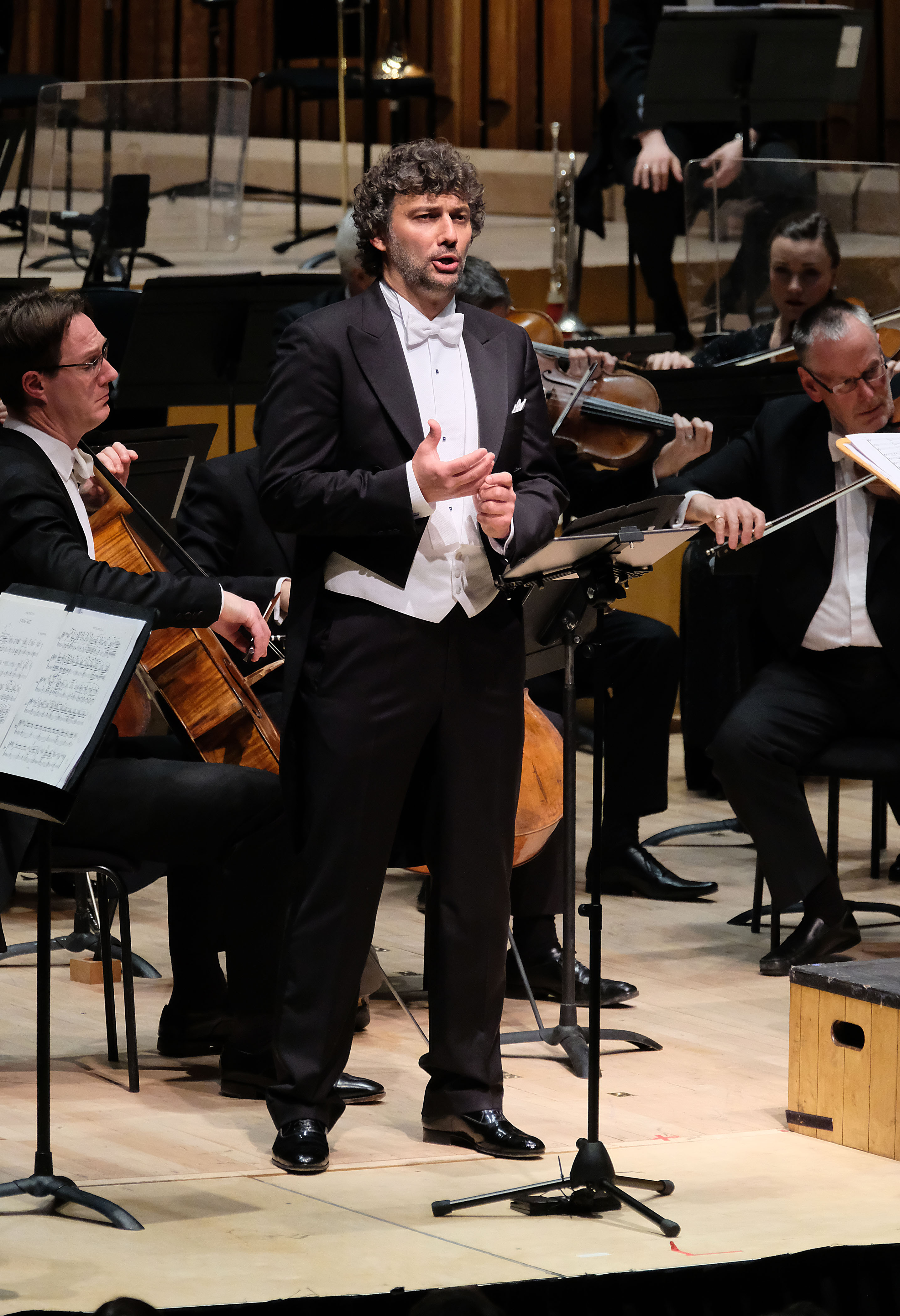
Continually hushed by Sir Antonio Pappano, the LSO accompanied with great discretion, allowing Kaufmann to use head voice without crooning. Even while husbanding resources, he brought a tight, reedy ardour to the first song. The two studies for Tristan were masterfully confided with a nervous ecstasy that supplanted the more reassuring tenor of his Decca recording made in the comfort of a Berlin studio.
This Wagner evening had got off to a rocky start with the Prelude to Tristan und Isolde. Not quite together, not quite in tune, the opening lines vibrated with a suffocating intensity which left the climax with nowhere to go, before the composer’s spatchcocked concert ending hung around in a two-minute holding pattern.
Act 1 of Die Walküre was done as a straight concert performance, relieved of the cut-price and pseudo-dramaturgical trappings of a “semi-staging”. The LSO launched into a metrical and warm-blooded account of the Prelude without the spasms of pain and fear which can wrack this music in a fully operatic context. With Karita Mattila’s entry as Sieglinde, however, came the chill of a house divided. She may have sung the part with fuller and more reliable tone earlier in her career, but her dramatic assumption was complete: mingled astonishment, bewilderment and a hint of recognition from the outset, yielding to sulky emollience in her dealings with Hunding (Eric Halvarson, magnificently brusque and contemptuous), and prompting an iron, baritonal outburst of lacerating self-pity from Kaufmann’s Siegmund.
In its surges and heaves Pappano grasped the special, Boy’s Own character of this act, so distinct from the rest of the Ring as an apotheosis of Romanticism, which should feel too good to be true, because it is, as the rest of the cycle spells out. After some anxious minutes in which Kaufmann clutched his chest in the singer's reflex response to vocal frailty, his cries of "Wälse" were magnificently sustained, if without the exhilaration of sheer volume remembered from Wolfgang Schmidt, in this hall with this orchestra 20 years ago. But enough of impertinent comparisons with eye-popping thundersheets. Kaufmann actually sings lines in this music, which is a still-unusual, astonishing feat in itself.
Apprehensive purchasers for his Strauss evening next Monday may be reassured. Don’t let the tickets out of your sight…











