

From the epic-lyric heaven storming of Beethoven's last three piano sonatas to the lyric-epic dances on the volcano of Schubert's two late piano trios isn't so big a leap, especially when you have the clairvoyant poise between colossal and intimate of the great Elisabeth Leonskaja. After her late-night solo turn at the Wigmore three Sundays ago, she was joined last night by two other superb instrumentalists who seem to have a direct and unshowy line to genius, violinist Liza Ferschtman and cellist István Várdai.
It isn't clear which of the two trios was composed first, though both appeared on the public scene in the last year and a bit of Schubert's short life. Evidently, though, the numbering means that the panoramic E flat major glory should follow the more modest, but still unmistakeably late-Schubert D.898. The third theme of its otherwise blithe first-movement exposition suddenly points to the open grave; it was handled with typical subtlety by the trio, ever so slightly different second time around. And Várdai sang his Andante melody with perfect poise; there's never excess sentimentality with these players, only exquisite grace counterpoised with a more Promethean aspect in which Leonskaja gives the lead. Her bigger, more bass-freighted chords were perfectly weighted, never overdone but not discreet for the sake of the strings, either; and in flyaway right-hand filigree she showed her mastery of Schubert's more intimate side. 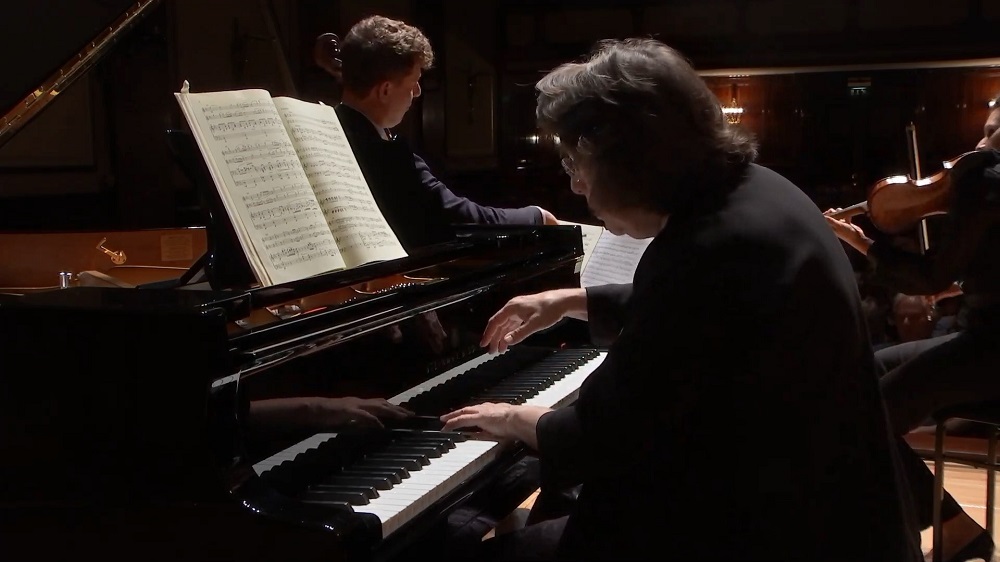 In the E flat masterpiece, miracle upon miracle seemed to unfold. This time the last of the opening subject-group has even more pathos in a single, unforgettable phrase, even more internalised in the repeat so as to lead to Schubert's painstaking exploration of its possibilities in the development. The sprung accompaniments to the slow movement's plaintive song - again perfectly inflected by Várdai, this time with even more colour - always amazed, especially in Leonskaja's hands, and the explosion at the core was terrifying, heart-stopping.
The codas of both these movements took us further than you thought it was possible to go - and the same was true about the whole of Schubert's heavenly length in the finale. So much so that you could only feel "get out of that" when the sad song of the Andante con moto interposed itself yet again; by sleight of hand he, and his ideal interpreters, absolutely and emphatically did, at the very last minute. Even then the tiny breathing spaces of a perfect chamber team and the placing of the final chord were wrought with infinite care. You left thinking, what great music first, what great players second, which is as it should be. Glorious, unsurpassable.











