

Last night's perfectly-judged, superbly communicated performance of Mahler's Fourth Symphony served as a reminder that the passion, experience and astonishing musicality of 86-year-old conductor Bernard Haitink are things to be cherished and never taken for granted. The symphony, first performed in 1901, was the main work in this second of Haitink's three concerts with the LSO before they leave together for Japan.
The score contains a minefield of instructions to make constant subtle and sometimes radical adjustments to the tempo. Haitink's understanding of them and how to set them instantly into motion, communicate them to the orchestra and fit them into longer structures are things of wonder. The certainty with which he makes inner rhythms emerge and achieves infallible unanimity in string pizzicati is miraculous and alchemic. To my ears, last night's performance could have been recorded straight to CD. One principal player whom I met talked about the sense of the orchestra “worshipping” this maestro; it is completely understandable, and also palpable in performance.
 Just one example is the sheer sprightliness of Haitink's upbeats in the 3/8 scherzo movement, the way they mould the triple time, and the clarity with which they signal the precise point where the harmonic rhythm will land in the next bar. Haitink told a student at a conducting masterclass on Mahler 4 last year that he needed to have “more music” in his right hand. That might sound terse, even cruel, but when one sees Haitink's own right hand in action, the sense of exactly what he means becomes tellingly clear.
The young North German soprano soloist Anna Lucia Richter (pictured above by Jessy Lee) was a model of clarity in tone, diction and insight in the child's vision of heaven in the final movement. In the orchestra, there were any number of fine and decisive orchestral contributions, from Neil Percy's precise sleighbells setting the scene at the start, to the whole horn section who are often required to provide the gravitas of the absent trombones. Above all Daniel Jemison's principal bassoon was a constant inspiration, whether he was supplementing a string texture or bringing lightness and lyricism to his solo contributions.
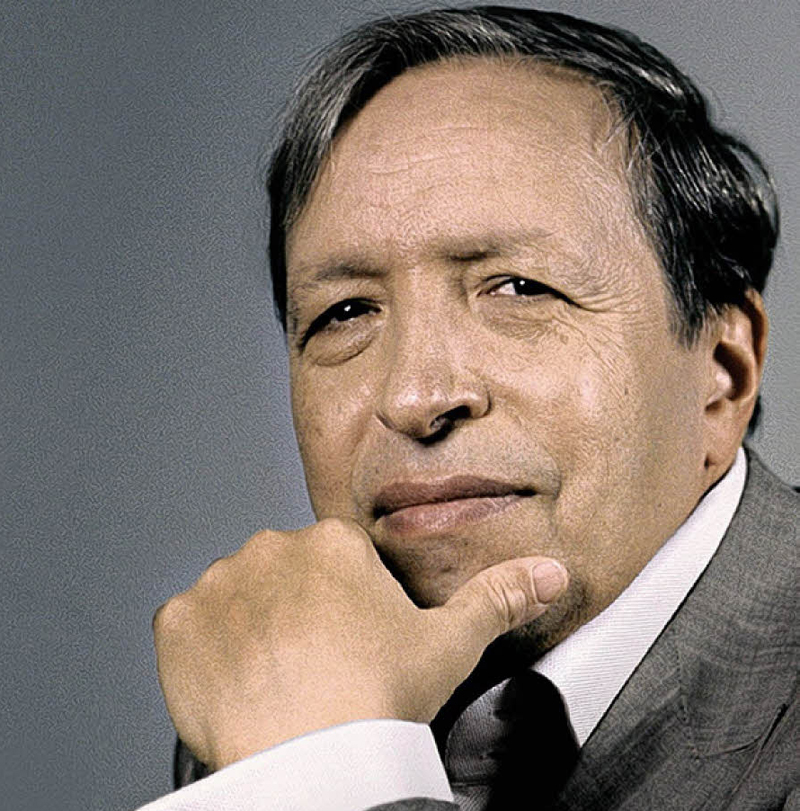 I found Murray Perahia's gruffly serious performance of Beethoven's Fourth Piano Concerto more problematic (Perahia, pictured left). Right from the opening solo phrase, this was a performance in the shadow of Wilhelm Kempff, the pianist's head shaking tetchily from side to side, a mannerism which he continued through most of his playing and into the orchestral tutti of the final movement.
There was a constant seeking out – and a finding – of the serious, there were moments when Beethoven's intellectual depths were probed to full effect, but the absence of anything puckish, playful or bright-spirited made this to my ears a frustratingly one-sided reading. Just one example: that clipped little snippet of a phrase in the rondo, G-E-D, that often gets tossed around between soloist and orchestra like a plaything came across here as an angry admonition from Perahia.
Haitink's command of the podium, which he has made his place of work for 61 years, is complete. We have been reminded of that by the fulsome tributes to him which poured out last week at an awards ceremony where he was recognized for his lifetime achievement. His response on receiving his award was typically direct: “Now I feel really old.” To quote Thelonious Monk, “Well, you needn't.”











