

Even as orchestras began to sound more and more alike, there was the Czech Philharmonic. And many of its notable characteristics remain to this day: a modest, homespun quality, warm and engaging and full of bright-eyed distinction in the woodwinds. In the pithy but immensely passionate overture to Janáček’s last opera From the House of the Dead, under their current music director Jiří Bělohlávek, the rhythmic displacements and precipitously exposed string, brass and timpani writing combined X-ray clarity with a naturalness of expression; later Dvořák in Slavonic mode kicked up his heels while close harmony trumpets warbled in the trio of one of those much loved dances.
How I wish they’d brought more of the same, more that was home-grown instead of a plushy, rather outmoded Beethoven Seventh as their main event.
But at least there was that most lovable and transporting of all Cello Concertos – the Dvořák – and in the gifted Alisa Weilerstein an affectionate if overly impulsive soloist. One hoped for great things as the long unfolding orchestral introduction promised deep and abiding nostalgia from Bohemia’s woods and fields – not least that dreamiest of horn solos, so distinctive of timbre and gently unobtrusive vibrato. Weilerstein made her presence felt with the emphatic double-stopping of her robust first entry; and then came the sublime second subject where she dared to be truly ethereal taking the sound away to the finest whisper but still projecting it to the farthest reaches of the hall.
 But why, I wonder, did she always equate drama and excitability with speed? For sure there is swagger and impetuosity in the piece, but there is a conductor and 90 players to take with you on these flights of fancy and each time the passage work became wilder and more intemperate she was romping ahead of her collaborators. A pity, because her exchanges with individual players, not least the excellent leader Josef Spacek Jr, were most sympathetic and in repose her songfulness and sweetness of tone (and perfect intonation) were a joy. I just wish she’d made more of those big expressive moments and found more room – as she did so touchingly in the rapt final bars of the epilogue – to fully embrace this music.
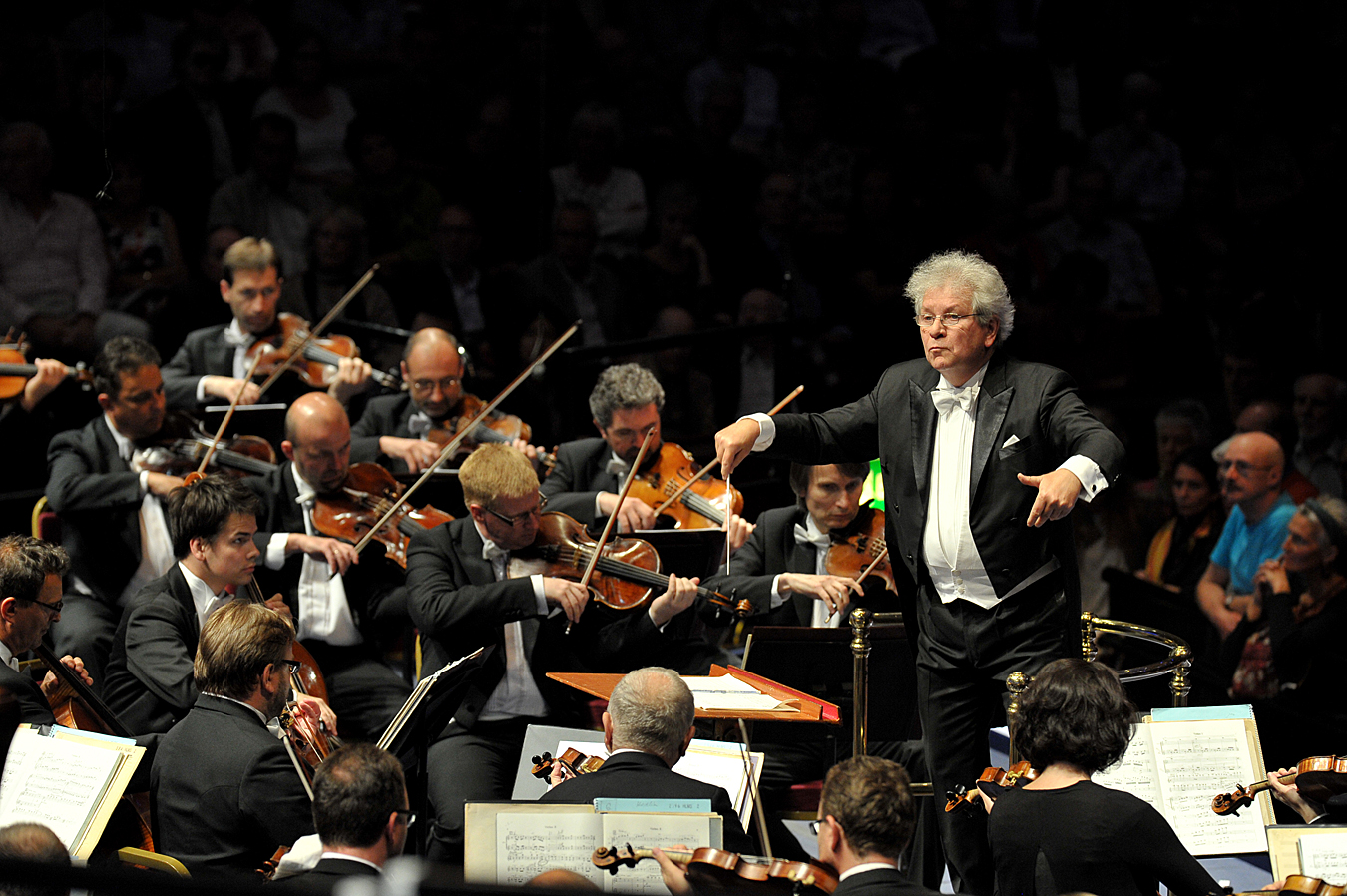
I’m afraid Bělohlávek’s account of Beethoven Seventh Symphony (the conductor pictured above) belonged to a time when the music of the great revolutionary had become comfortable and complacent. We have to work harder now to recapture its radical qualities and, thanks to a long and valuable exploration of period performance practice, its gritty imperative. Belohlavek’s huge string section made for significant weight in the outer movements but with it came a rather over-upholstered effect. Comfortable and self-satisfied.
He did manage a good fluid tempo for the second movement Allegretto (so often that spells portentousness) and in the grandness of the sound he might have been a shoe-in for the soundtrack of The King’s Speech. But for all the rhythmic energy and resilience of the playing those outer movements were never really combustible and only once – in the most significant fortissimo of the finale – did Bělohlávek really bring it home. And what about all that stunning horn-writing? With only two horns pitted against such a large string section their best efforts were regretfully swallowed whole.











