In Park Chan-wook’s strange Cannes prize-winning thriller, a husband is discovered mangled beneath a mountain, and pretty widow Seo-rae (Tang Wei) isn’t noticeably upset.
Brilliant young detective Hae-jun (Park Hae-il) becomes obsessed as their breaths synchronise in the interrogation room, a piquant tremor after the erotic floods and earthquakes of Park’s The Handmaiden (2016) and Stoker (2013). Back home, Hae-jun cooks sensuous food for his quick-witted, beautiful wife, domestic and sex life decent enough. Yet even as the murder case closes, he spies on the widow, voyeurism that’s returned as the pair become entangled.
Just as Stoker drew on Hitchcock’s Shadow of a Doubt for its deadly, seductive Uncle Charlie, Decision to Leave follows the patterns of films such as Bob Rafelson’s Black Widow (1987) with its manipulative, murderous wife, and broader film noir. But the lines don’t quite fit. Park’s sensitive policeman and apparent murderer stay on a slow burn, with thriller climaxes mislaid. There’s no shuddering submission to attraction, just an illicit urban stroll.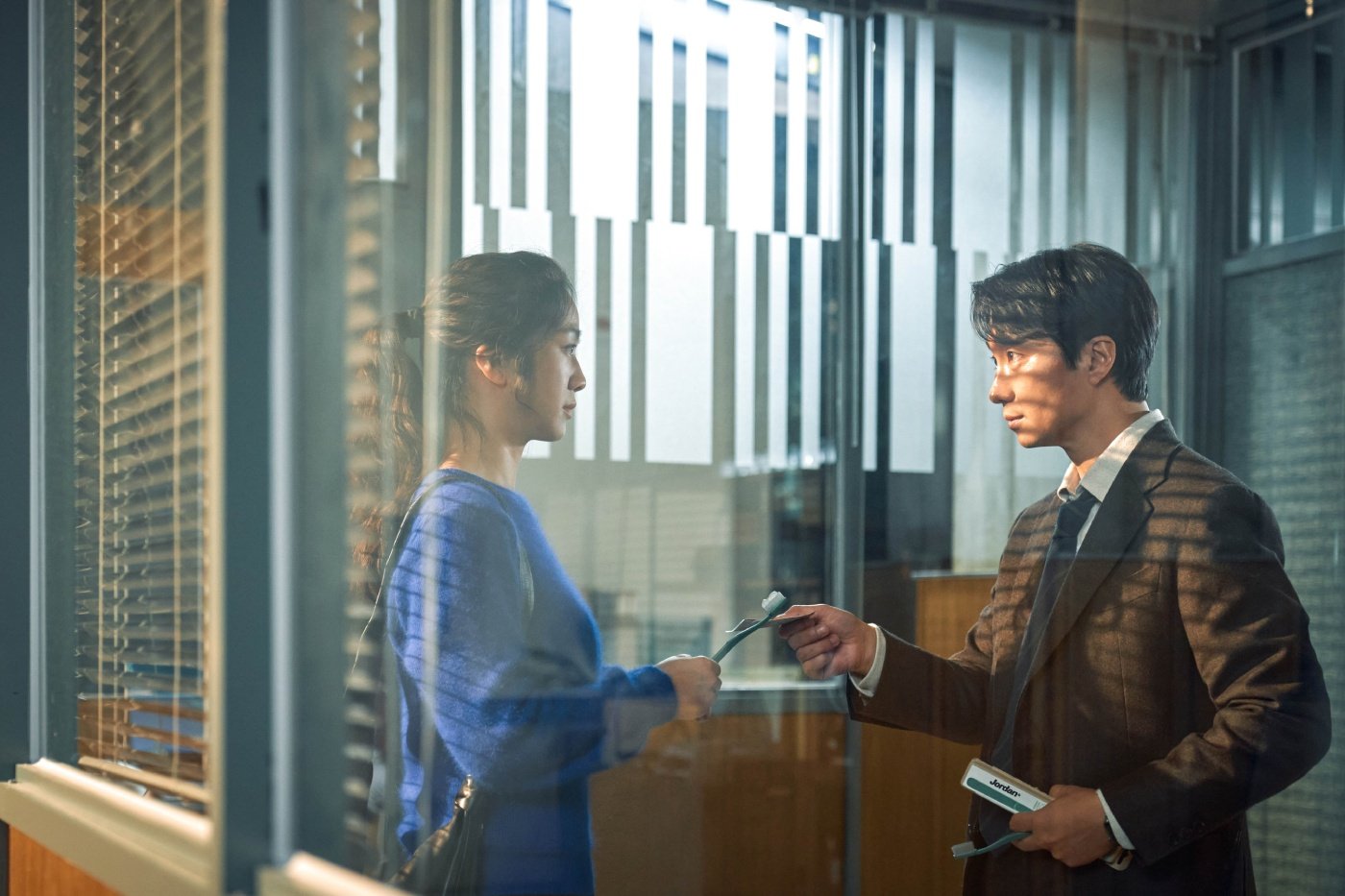 Time and space, memory and imagination mesh and merge, Hae-jun materialising to watch Seo-rae in her room, or committing crimes. The film’s edit melts, hard edges dissolve, obsession slipping physical bonds. It’s in this softness, these visualised mental realms, that Park’s eroticism lives, and his two almost-lovers meet. The camera’s vertiginous dives and zooms meanwhile maintain a giddy sense of threat.
Even Decision to Leave’s title suggests an absence, a negative. Its leads’ deficiencies as hard-boiled cop and femme fatale define them. Seo-rae certainly proves dangerous. She’s also beaten by two men, while always plotting their control. An illegal Chinese immigrant who arrived as shit-covered skin and bone, she’s a survivor unravelled by her fascination with the cop tasked with unmasking her. Hae-jun meanwhile keeps his deepest feelings about his stressful job hidden at home, in a film whose domestic spaces rhyme and reveal. The Martin Beck Swedish detective novels by his bed are Park’s inspiration for this gentle, ruminative hero. Physically capable in a fight, he computes and empathises with his adversary’s character. He can’t quite admit what he needs from Seo-rae, even as he cooks her bad Chinese food, trying to reach her foreignness, and betrays and erases himself for her, becoming less of a cop but not enough of a man.
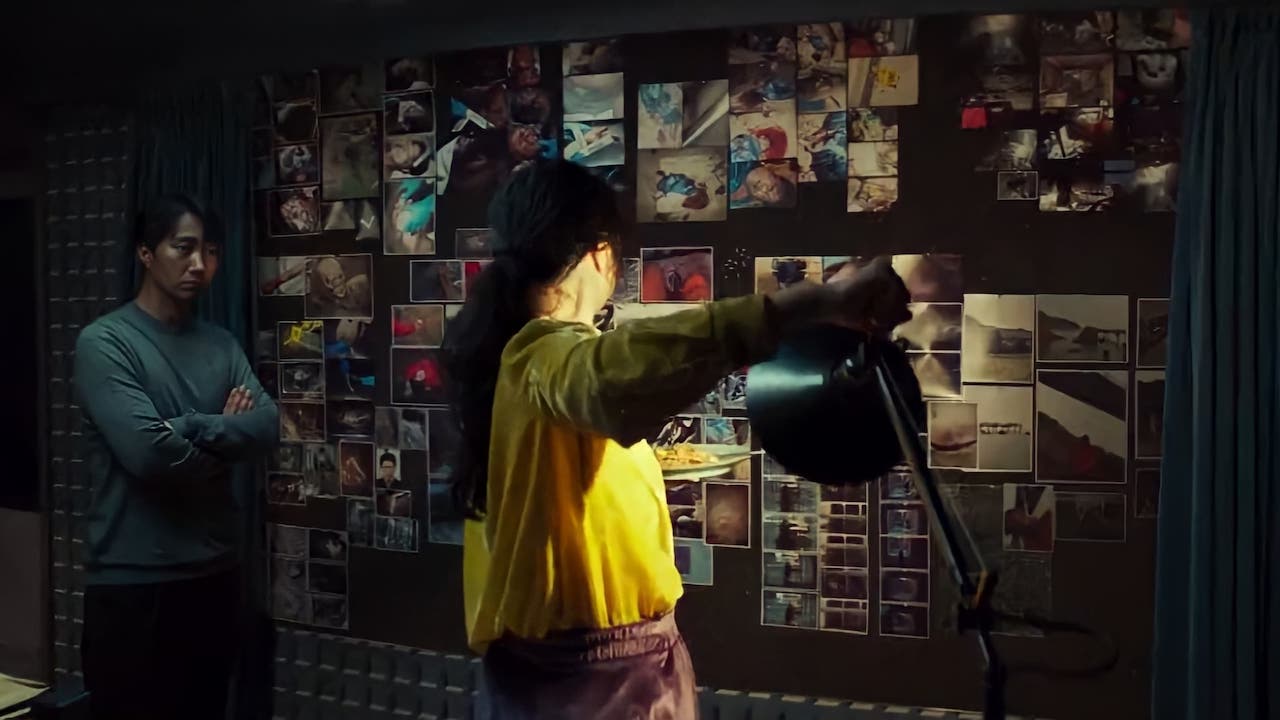 This is one of Park’s funniest films, with characters who behave foolishly and laugh at each other, even during typically sharp action scenes. Dodging obvious beats, it also denies us deep emotional engagement. It’s a mystery film the director doesn’t solve. In a narrative sleight of hand, even when it seems to reach an enigmatic end it cranks up again, in another time and town, where our detective is pursued by Seo-rae, and death. Decision to Leave’s title is by now multiplying in meanings: whose decision, leaving where – and what’s left?
Something mythic underlay the epic bloodshed of Park’s “Vengeance” trilogy (especially Oldboy’s tragic, hammer-wielding dupe). In this quiet new place, unused to rushes and gushes of blood, Decision to Leave is revealed as a film of mists and tides, mountains and oceans, its protagonists swept away by an elemental Korean tale.