DVD: More

A strange, bleak, druggy film that says more about 1960s filmmaking than it does about heroin addiction

share this article

Too close to the sun: Mimsy Farmer in 'More'

It’s hard to imagine a director being able to make a film like More today. The plot could be written on the back of one of the soft-packs of cigarettes being constantly smoked in the movie; the characters are unlikeable; there’s little in the way of emotional engagement; the music, by “The” Pink Floyd, is used only as part of the action, ie, coming out of cassette players, record players, and so on, rather than as an actual soundtrack; the editing has a deliberately un-rhythmic, un-fluid, nouvelle vague quality; the camerawork is unostentatious; the acting and the dialogue are flat and stilted. And it’s about heroin.

Mimsy Farmer (pictured above) and Klaus Grünberg play Estelle and Stefan, a couple of wasters who hitch onto the coat-tails of the hippie culture, which itself was approaching its fag-end at the time Barbet Schroeder made More, in 1969. They meet in Paris and then hang out in a house on Ibiza, where they take drugs. 

Although it shows the consequences of heroin addiction, this is not an especially preachy film; it just sets out the events in a flat, deadpan, matter-of-fact way. In fact, as I watched Stefan and Estelle’s descent (or rather, given that it is apparently inspired by the myth of Icarus, their ascent) into heroin addiction, my chief emotion was a desire to slap the impassive hippie types they were hanging out with and tell them to go and get a life. Why are they there? Ibiza looks horrible, and all anyone seems to do is sit around staring into space looking enigmatic.

In fact, the people who have the most fun in More are a bunch of German tourists who sing bierkeller songs in a bar while Estelle’s mysterious older German friend (now, there’s a man with a hinterland) plays the accordion. The ability to be spontaneously, unselfconsciously happy is what they have, and it’s what absolutely everyone else in this strange, bleak film lacks.

So, More is not a film that will warm the cockles of your heart. But its value lies in providing a glimpse back into a time when the dominant aesthetic in European filmmaking was almost unrecognisable from that which prevails today.
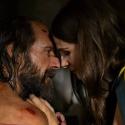
Why are they there? Ibiza looks horrible, and all anyone seems to do is sit around staring into space looking enigmatic

rating

3

explore topics

share this article

Support the future of arts journalism

Subscribe to theartsdesk.com

Thanks so much for choosing genuinely independent arts journalism theartsdesk’s mission has never been more important – in an age of relentless algorithmic recommendation, sponsored content and unreliable AI, the expertise and discernment of individual critics deeply embedded in their specialist areas is absolutely vital.

If you want more of that in your life, why not subscribe now?

If you do this before the 31st August, you’ll be able to keep at this “founders rate” for life: your subs will never increase! You can choose to subscribe annually for just £40 simply click here
or monthly for £5 per month simply click here.

Not ready to subscribe?

If you want to support with a little extra or aren’t ready to subscribe just yet, there’s also the option to give direct to our crowdfunder to support our imminent redesign and exciting expansion with new features and collaborations Simply contribute here: https://gofund.me/c3f6033d.

However you choose to be involved, you can proudly say that you are picking the right side in the battle for truth and humanity in the modern information landscape. And we will be very glad to have you on board!

more film

Dip your toes into these Homeric movies before Christopher Nolan’s 'The Odyssey' ties us to its mast
A Bellocchio classic is retooled as a stifllng rich-brats' revenge story
A potential camera in every hand: SMart celebrates smartphone directors
Hitchcockian black comedy from Luis Buñuel’s Mexican period
Olivia Wilde's snappy comedy on the perennial subject of reviving a failing marriage
Kiss kiss, bang bang in a moving Middle East documentary
David Vann's acclaimed novella transposed to the screen with mixed results
The most important 'how-to video' you are ever likely to see
Satyajit Ray's poignant, thoughtful drama, set in 1960s Calcutta
Superman's party girl cousin earns her stripes underwhelmingly
Convoluted drama takes on Fab Four delusions, brotherly trauma and ultraviolence
Sophy Romvari's atmospheric first feature looks back at a tortured family dynamic