“I would love it,” Lola (Barbara Sukowa) sighs, warned of a world without morality. “My problem is that they don’t let me in to take part.” In Rainer Werner Fassbinder’s 1981, 1950s-set reworking of Sternberg’s Dietrich-creating Weimar classic The Blue Angel, the original’s voracious femme fatale becomes a wistful, drunkenly mercurial, not unkind sexual businesswoman. She’s the emblem of 1950s West Germany, ready to be bought and sold to get ahead, and put a difficult past behind her.
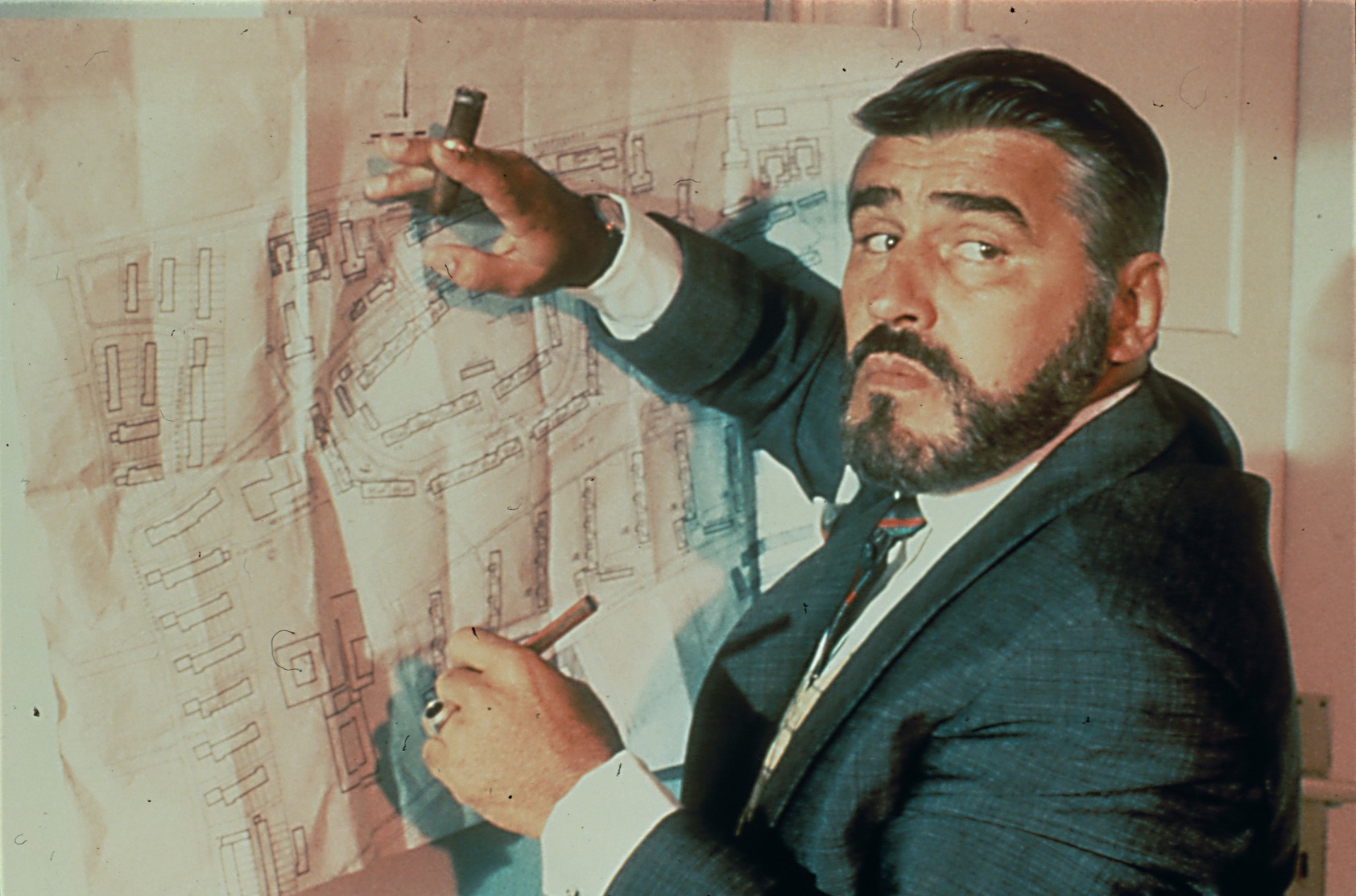
Fassbinder turned the lush Technicolor palette of Douglas Sirk’s 1950s “women’s” melodramas feverish for a society repressing something worse than its gaudy brothel. Here Lola sings with throaty allure, and fucks Schuckert, the town’s cheerfully corrupt construction king (a sensually fleshy, flushed, porcine, magnificent Mario Adorf). Their gambols and cynical verbal jousts have comic pleasure and completeness unavailable to the man they bring down, building inspector von Bohm (Armin Mueller-Stahl). With the bluest eyes since Peter O’Toole’s Lawrence, further lit to project saintly, piercing beams, this good man’s honesty proves brittle. It disrupts the town, till its materialist corruption absorbs him, to mutual relief. Lola belatedly tries to save him, but her fatal erotic barb is lodged in his heart.
 Two years earlier, Fassbinder’s peer Werner Herzog had remade Nosferatu, wanting to reach back across Nazism’s pit, building a bridge to an earlier, unsullied German culture. Fassbinder didn’t want this with The Blue Angel, instead exploiting its connotations to conclude his BRD (Bundesrepublik Deutschland) trilogy, part of a career-long dissection of his country’s history. Lola, like the East Prussian von Bohn, is a German refugee (as were many of Fassbinder’s relatives), a resented outsider seen as crude and foreign. At a memorial to the swiftly sanitised 1940s of “few real Nazis” which eased West Germany’s Economic Miracle, the camera passes mute protestors’ placards: “World War One: 9.7m dead; World War Two: 55m dead”. Meanwhile, deals are done in fugs of cigar smoke, rivers of booze, and the brothel’s heady atmosphere. Fassbinder is almost merry in presenting this fallen country. Its stultifying immorality and hypocrisy is so pervasive, von Bohm hardly notices in the end as it swallows him whole.