Another day, another shooting: this is Florida, USA, where the "Stand Your Ground" self-defence law allows people to use lethal force when they perceive a threat to their lives. The idea may be shocking to Britons, but such laws have become prevalent in America, even though they may be providing cover for straight-up murder.
In The Perfect Neighbor, which won the top documentary prize for director Geeta Gandhir at the Sundance Film Festival this year, a minor dispute turns deadly. The film unfolds through found footage, mostly through police body cam video and courtroom coverage, but this isn't surveillance-state horror: it's a chronicle of a death that should have been prevented.
The story unfolds in a working-class suburban close, where kids play football and games on the street's most spacious front yard – with that homeowner's blessing. That changes when new, nearby renter Susan Lorincz objects to the kids' presence and, seemingly, any noise they make. (It's a wonder she could hear anything, with air conditioners on full blast to ward off the viciously hot summer weather). An outlier on a suburban street of black and mixed-race families, Lorincz (pictured below) is single, white, 59, and probably not a doctor, though she high-handedly tells police she is one.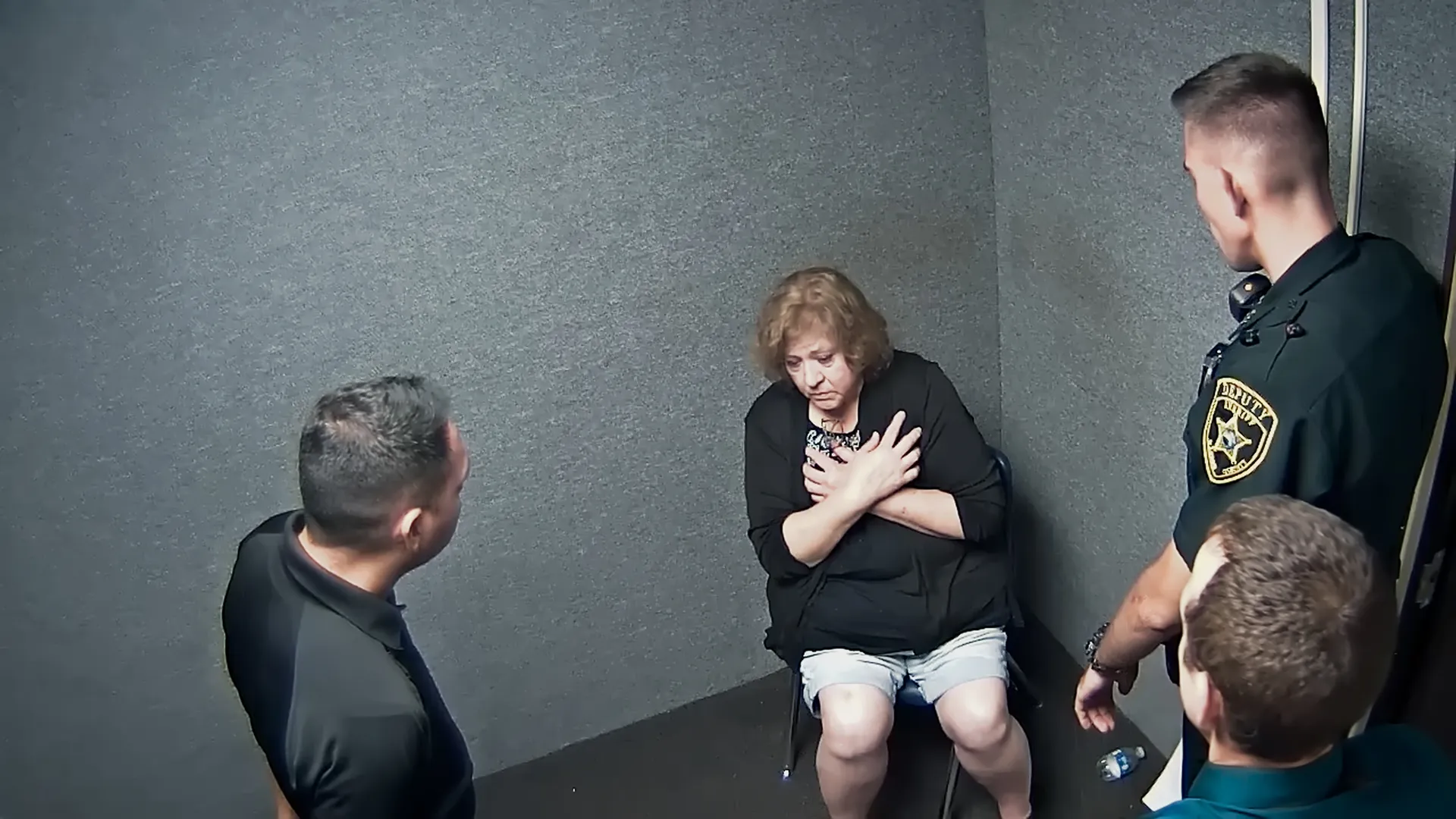 What she is, mostly, is aggrieved. The film makes ample use of the audio from Lorincz's frequent calls to 911, and the county sheriff department's dutiful responses. Law enforcement – in the mode of social workers – try their best to hear both sides, but as they chat with Lorincz's neighbours, including Ajike "AJ" Shantrell Owens, it becomes clear who they believe, and who the aggressor is.
"Run around, hoot and holler," one deputy tells the kids. "I'd rather see you all playing outside than see you on the TikTok." When asked about what foul names Lorincz calls them, the kids quietly spell the obscenities, lest their parents' catch them swearing. And when Lorincz claims that small children are trying to steal her truck, one little girl sighs, while combing her doll's hair, "We're eleven." They all seem sadly aware of, and not surprised by, Lorincz's racist abuse.
About two thirds of the way through, The Perfect Neighbor turns into a nightmare: Owens, who made the mistake of knocking on Lorincz's door to clear up a dispute and collect an iPad snatched from her son's hands, is shot dead in front of her young son. Questioned by police, Lorincz claims that she feared for her life. Relying on the state's "Stand Your Ground" self-defence statute, she and her lawyers argue that the shooting was justified.
But Owens' neighbours, and at last the state, won't have it: prosecutors note that Lorincz's front door was closed, locked and deadbolted. Furthermore, they suspect that Lorincz, who'd researched the "Stand Your Ground" law, engineered the situation, telling the child to send his mother over to talk. (Neighbours' accounts back this up.)
The Perfect Neighbor is a hard watch, and not just because the shaky, fish-eye lensed footage, ably assembled by editor Viridiana Lieberman, can induce vertigo and nausea in viewers. Lorincz, interrogated a second time and caught in her lies, refuses to believe that she's under arrest. "No," she says stiffly. "I can't do this." And beneath the cold, dispassionate eye of a security camera, Owens' children learn that their mother's gone. Maybe it's better that the moment is badly lit and barely in focus: their grief is too raw, too painful, to endure head on.