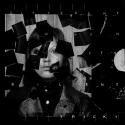
CD: James Blake - Overgrown

Can the king of post-dubstep melancholy deliver on his early promise?

share this article

James Blake: a digital native

There's an easy answer to James Blake's naysayers (and there are a lot of them): you're not listening loud enough. I made the mistake myself. Even knowing his early, brilliant electronic works, I was quite unimpressed by the breakthrough cover of Feist's “Limit to Your Love”, idly listened to on laptop or radio, until I heard it delivered over a club soundsystem and realised just how perfectly the song structure was built around the annihilating bass.

What Blake does, and is doing better than ever on his second album, is, roughly speaking, what Radiohead have been fumbling for since Kid A. Only unlike them he is a digital native, a member of the dubstep generation: where they are a rock band trying to work out piece-by-piece how electronic music is done, he does it like breathing. All his classical training and use of his own voice – easy to mistake for something tremulous and emotive but really an instrument of steely force, far more Tim Buckley than Chris Martin – are not separate from the electronics, but of a part with it, the playing and the effects in a feedback loop with one another.

Listen to the drop to a low register in “I am Sold” - is it electronic processing or is it vocal technique? Listen to the way the synths roughen and stiffen around the line “touchdown on a rainy day” in “Life Round Here”. Listen to how the pitched-down “and her mind was on me” in “Voyeur” becomes part of the rhythm. This is truly cyborg performance, a singer and his machines at one. If there's a weakness it's in the lyrics: just once in a while there's a crack in the hypnotic strangeness and an off-centre phrase like "we lie nocturnal" lands awkwardly; but this is really a quibble, just a by-product of the 24-year-old's ambition and easy to overlook if you turn up the volume and soak in the uncanny sophistication of sound-making on offer here.

Is it electronic processing or is it vocal technique?

rating

4

explore topics

share this article

Support the future of arts journalism

Subscribe to theartsdesk.com

Thanks so much for choosing genuinely independent arts journalism theartsdesk’s mission has never been more important – in an age of relentless algorithmic recommendation, sponsored content and unreliable AI, the expertise and discernment of individual critics deeply embedded in their specialist areas is absolutely vital.

If you want more of that in your life, why not subscribe now?

If you do this before the 31st August, you’ll be able to keep at this “founders rate” for life: your subs will never increase! You can choose to subscribe annually for just £40 simply click here
or monthly for £5 per month simply click here.

Not ready to subscribe?

If you want to support with a little extra or aren’t ready to subscribe just yet, there’s also the option to give direct to our crowdfunder to support our imminent redesign and exciting expansion with new features and collaborations Simply contribute here: https://gofund.me/c3f6033d.

However you choose to be involved, you can proudly say that you are picking the right side in the battle for truth and humanity in the modern information landscape. And we will be very glad to have you on board!

more new music

Surrealism, social observation and more muscular sound from the Leeds quartet
A powerful personal outpouring of joy and pain - with a great beat
The London quartet have taken to playing large venues with ease, as this career-spanning set showed
The Lebanese-French musician's father was behind a unique musical innovation
The Philadelphia punk rockers continue to impress
A partial account of how Brit-punk absorbed an aspect of reggae
The Fez Festival Of World Sacred Music and the Fes Gathering bring the world together
Bristol band aren't happy but offer up the occasional sing-along
A new album is unveiled and old tunes are played for the last time