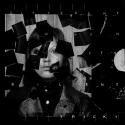
CD: Tinariwen - Elwan

The Desert Blues masters in reflective mood

share this article

Tinariwen: A hill to climb

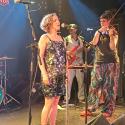
Tinariwen are one African band you don’t dance to. It’s not that kind of music. They emerged from refugee camps, guerrilla camps and nomadic desert camps through the Eighties and Nineties, and since reaching a global audience via The Festival of The Desert, they have released eight consistently fine albums (the recent Live in Paris is particularly good).

Their music is internal, meditative, sombre, political, philosophical, poetic, and returns again and again to the long line of troubles besetting the Tuareg region of Saharan Mali, riven by Islamists – a former friend of the band ended up becoming a leader of the music-banning, culture-destroying, hand-lopping Ansar Dine, and hopes of Tuareg self-determination as far away a mirage as ever. As a further grim sign of the times, the return of the Festival of the Desert this year was cancelled at the last moment, over terrorism fears.

Theirs is a poetry declaimed over slow loping camel rhythms fired up through a mesh of guitars and bass lines, handclaps and ululations that sounds less like ecstatic release than outbursts of panic, fear, despair. Elwan (Elephants, the title referring to the various powers trampling over Tuareg culture and identity) was recorded far from home, in Joshua Tree, Paris, and the Southern Moroccan oasis of M'hamed El Ghizlane, where a beautiful hidden track featuring flutes was recorded. There are guest appearances from western musicians including Kurt Vile and Mark Lanegan, but the focus is on Tinariwen’s shifting line-up of veterans and relative newcomers. The music makes only minor changes to the Desert Blues of previous albums. It’s more spare and spectral, perhaps, and songs like "Hayati" (My Life) and "Ittus" (Our Goal), the latter featuring just the voice and guitar of one of the group’s founders, Hassan Ag Touhami, rank with their most haunting recordings.  

Tim Cumming's website @CummingTim 

Their music is internal, meditative, sombre, political, philosophical, poetic

rating

3

share this article

Support the future of arts journalism

Subscribe to theartsdesk.com

Thanks so much for choosing genuinely independent arts journalism theartsdesk’s mission has never been more important – in an age of relentless algorithmic recommendation, sponsored content and unreliable AI, the expertise and discernment of individual critics deeply embedded in their specialist areas is absolutely vital.

If you want more of that in your life, why not subscribe now?

If you do this before the 31st August, you’ll be able to keep at this “founders rate” for life: your subs will never increase! You can choose to subscribe annually for just £40 simply click here
or monthly for £5 per month simply click here.

Not ready to subscribe?

If you want to support with a little extra or aren’t ready to subscribe just yet, there’s also the option to give direct to our crowdfunder to support our imminent redesign and exciting expansion with new features and collaborations Simply contribute here: https://gofund.me/c3f6033d.

However you choose to be involved, you can proudly say that you are picking the right side in the battle for truth and humanity in the modern information landscape. And we will be very glad to have you on board!

more new music

Surrealism, social observation and more muscular sound from the Leeds quartet
A powerful personal outpouring of joy and pain - with a great beat
The London quartet have taken to playing large venues with ease, as this career-spanning set showed
The Lebanese-French musician's father was behind a unique musical innovation
The Philadelphia punk rockers continue to impress
A partial account of how Brit-punk absorbed an aspect of reggae
The Fez Festival Of World Sacred Music and the Fes Gathering bring the world together
Bristol band aren't happy but offer up the occasional sing-along
A new album is unveiled and old tunes are played for the last time