One of the great problems with modern music criticism is that it hasn’t got past the models of the second half of the last century, and this leads to some very serious seeing-the-woods-for-the-trees oversights. In particular “we” still haven’t left behind the conception that a movement only exists if it has a moment: an Elvis on the Ed Sullivan show, a be-in at Haight Ashbury, a Sex Pistols at the 100 Club. Which means that, because it can’t be pinned down to a particular time and place, a very, very recent shift that is way bigger than rock’n’roll, psychedelia or punk doesn’t even have a name, let alone front page splashes and frenzied editorials. That shift is the globalisation of pop culture.
Seriously. Even 10 years ago could you have imagined that the global A-list of pop stars would include Korean and Nigerian acts or one singing almost solely in Spanish? Or that South African takes on house music and Punjabi trap would be established parts of the international sonic vocabulary? No. This is a shift that has affected more people, and changed music more dramatically, than any of the 20th century “revolutions” – yet it isn’t news. It’s just a thing that has happened. And mainstream critical response to this, if it’s acknowledged at all, usually amounts to “huh, those kids and their TikTok, who knows what’s going on there! Algorithms and whatnot, eh?”
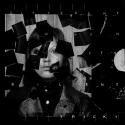
Anyway, sorry to go off on one and not leave much space for this album. BUT this record by a Lebanese polymath in the Netherlands is absolutely a product of this new multipolar world. Geitani is an auteur who incorporates aspects of experimental electronica, goth, industrial, psychedelic rock, ambient, modern composition, drum’n’bass and so on into his work – but all of them are viewed entirely from a standpoint of someone who has grown up with them, but also with Arabic language and music as equally or more fundamental. The toolkits of the aforementioned genres are there as part of an international vocabulary, deployed inasmuch as they support the rhythmic and compositional demands of his particular vernacular.
And it’s great. OK, you’re going to need patience – there’s 17 tracks over 76 minutes, it’s structured like a sci-fi epic, and it makes most sense absorbed as such. It might feel a bit much at times. But that’s fine. We live in a world where Beirut-Amsterdam prog rock electronica epics are normal now. Dealing with that is going to take some adjusting to, right?
Listen to "Ya Aman":