CD: Vijay Iyer - Tirtha

Iyer's latest trio project is music to enchant and surprise

share this article

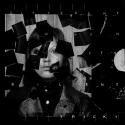
The imposing cover of Vijay Iyer's 'Tirtha': Anish Kapoor's 'Untitled' (2004)
Dave Morgan

A recent Grammy nominee for his 2009 album Historicity, composer-pianist Vijay Iyer is one of an increasing number of young jazz artists who refuses to be corralled by genre. Iyer's work traverses a continuum that embraces everything from hip hop to orchestral music. Tirtha, his latest project, sees three great traditions seamlessly flowing into one another to create something vital and entirely personal.

The album presents a fascinating three-way dialogue between jazz, Hindustani (north-Indian classical) and Carnatic (south-Indian classical) music. Also featuring tabla virtuoso Nitin Mitta and guitarist-composer Prasanna, the trio completely eschews that most freighted of terms, "fusion", a genre that often takes the worst excesses of two musical styles and bolts them together in a crude, Frankensteinian way. Think, for example, of the navel-gazing, anthemic bombast of the dullest kind of jazz-rock. Iyer is far too intelligent and discerning a musician to succumb to these temptations, and Tirtha never once falls prey to fusion's bathetic tropes.

From the propulsive polyrhythmic layerings of album opener “Duality”, to the plaintive, engulfing beauty of “Abundance”, to the churning moto perpetuo of “Gauntlet”, it's impossible not to be swept along by the dramatic power of the trio's music.

Iyer has spoken of feeling a "jolt of recognition" at their initial rehearsal – they first played together in 2007, the album was recorded the following year - and the remarkable playing does seem to be wedded to a deep consanguinity of mind and aesthetic purpose. This is heard to especially moving effect in the concluding "Entropy and Time". Here, casting a kind of lambent glow over the entire track, Mitta's tabla playing can only be marvelled at, with percussive flourishes of quite mind-bending dexterity.

Achieving a subtle equipoise of improvisational freedom and compositional rigour, Tirtha is a work of singular imagination. Just don't call it Indo-Jazz.

The album presents a fascinating three-way dialogue between jazz, Hindustani and Carnatic music

rating

0

explore topics

share this article

Support the future of arts journalism

Subscribe to theartsdesk.com

Thanks so much for choosing genuinely independent arts journalism theartsdesk’s mission has never been more important – in an age of relentless algorithmic recommendation, sponsored content and unreliable AI, the expertise and discernment of individual critics deeply embedded in their specialist areas is absolutely vital.

If you want more of that in your life, why not subscribe now?

If you do this before the 31st August, you’ll be able to keep at this “founders rate” for life: your subs will never increase! You can choose to subscribe annually for just £40 simply click here
or monthly for £5 per month simply click here.

Not ready to subscribe?

If you want to support with a little extra or aren’t ready to subscribe just yet, there’s also the option to give direct to our crowdfunder to support our imminent redesign and exciting expansion with new features and collaborations Simply contribute here: https://gofund.me/c3f6033d.

However you choose to be involved, you can proudly say that you are picking the right side in the battle for truth and humanity in the modern information landscape. And we will be very glad to have you on board!

more new music

Surrealism, social observation and more muscular sound from the Leeds quartet
A powerful personal outpouring of joy and pain - with a great beat
The London quartet have taken to playing large venues with ease, as this career-spanning set showed
The Lebanese-French musician's father was behind a unique musical innovation
The Philadelphia punk rockers continue to impress
A partial account of how Brit-punk absorbed an aspect of reggae
The Fez Festival Of World Sacred Music and the Fes Gathering bring the world together
Bristol band aren't happy but offer up the occasional sing-along
A new album is unveiled and old tunes are played for the last time