

Where is the stage – outside or within? The question posed by the prologue of Bartók’s only opera addresses the fundamental privacy of our thoughts, as well as setting the scene for its drama within the theatre of our own minds. For many of us a year and a half of periodic lockdown has only turned up the volume on the echoing contents of our heads, lending an unlooked-for familiarity to Bluebeard’s forbidding castle.
Why, then, so modest a house for the London Philharmonic’s performance? The Theatre of Sound’s staging earlier in the day must have divided the potential audience: surely only masochists and critics willingly darken the door of Bluebeard’s Castle twice in a day. The clash with Die Walküre in Putney and La traviata at the Royal Opera issued further signs of London’s opera life returning to rude health.
This concert performance pulsed with an electricity emanating firstly from two singers inside their roles and performing from memory. The experience of Ildikó Komlósi in the role of Judith – having sung the role for over 30 years – set up an unusual and compelling power dynamic with the Bluebeard of John Relyea, whose longer-limbed cantabile underlined the Duke’s vulnerability. Both husband and new wife believe themselves master (and mistress) of the situation from the off. It is the journey and the tragedy of the opera that as they grow closer together, they discover realms within themselves and each other that ultimately set them apart. Komlósi’s almost conversational intimacy with her part, set against Relyea’s more conventionally operatic – still powerfully affecting – projection, heightened the sense of irreconcilable distance. 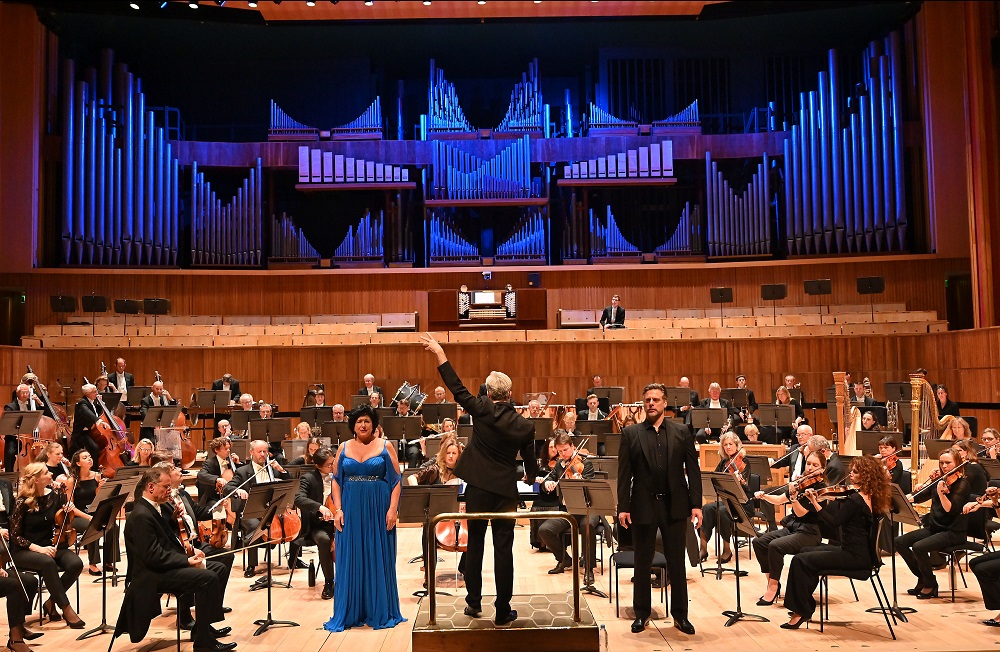 So too, though, did the contrast between their epigrammatic dialogue and the Straussian opulence of the orchestral texture. Edward Gardner’s measured pacing drew out the metallic taste of those minor seconds that taint Bluebeard’s treasures with blood, before opening out at the Fifth Door to the kind of widescreen panorama and psychosexual ecstasy not readily emulated by slimmed-down versions of the opera.
Bartók never wrote for a larger orchestra – never mind the Festival Hall organ at full tilt, plus brass reinforcements to its sides – and the LPO responded with playing of cultivated, lurid richness: at points such the unearthly shudders behind the Sixth Door, beneath Relyea’s desolate refrain of “Könyvek” (Tears), almost too enjoyable for its own good like a great Strauss score. Once all the Duke’s secrets had been exposed to the light, Komlósi inflected her last line with a mingled recognition, fear and resignation to her fate that on its own made for the most disquieting and memorable experience. 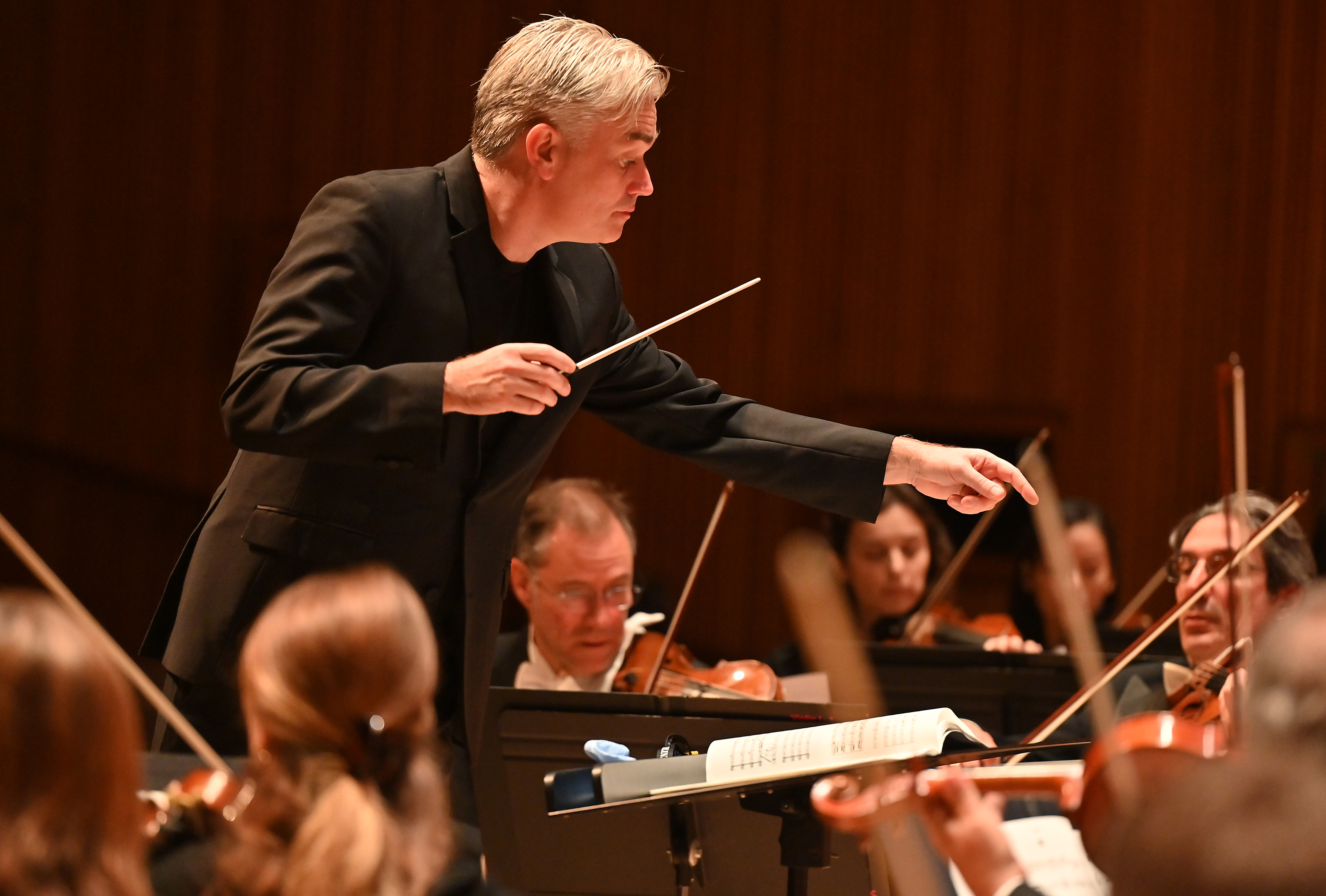 Astute programming placed Haydn’s Symphony No 90 in the first half. As well as geographical proximity, the composers share a disinclination to make feeling and composing synonymous. Dedicating Bluebeard’s Castle to his new wife Márta was as autobiographical as Bartók ever got, and Haydn left solving the many puzzles of his music – the symphony’s sudden pauses and false endings – to the imagination of his listeners. Full-strength forces – ironically unfashionable yet “authentic” in this music – struck a fine balance between elegance and crisp attack, requiring just a little more breathing space on Gardner’s part to draw the urban-rural double helix of the slow movement, and the expanding vista of the minuet’s second half, with the sure hand of his Bartók.











