Magic Mike began as a cautionary tale rooted in Channing Tatum’s spell as a teenage stripper, then morphed into a franchise of reality and theatre shows. Now this second sequel brings original director Steven Soderbergh back, and leaps into pure fantasy.
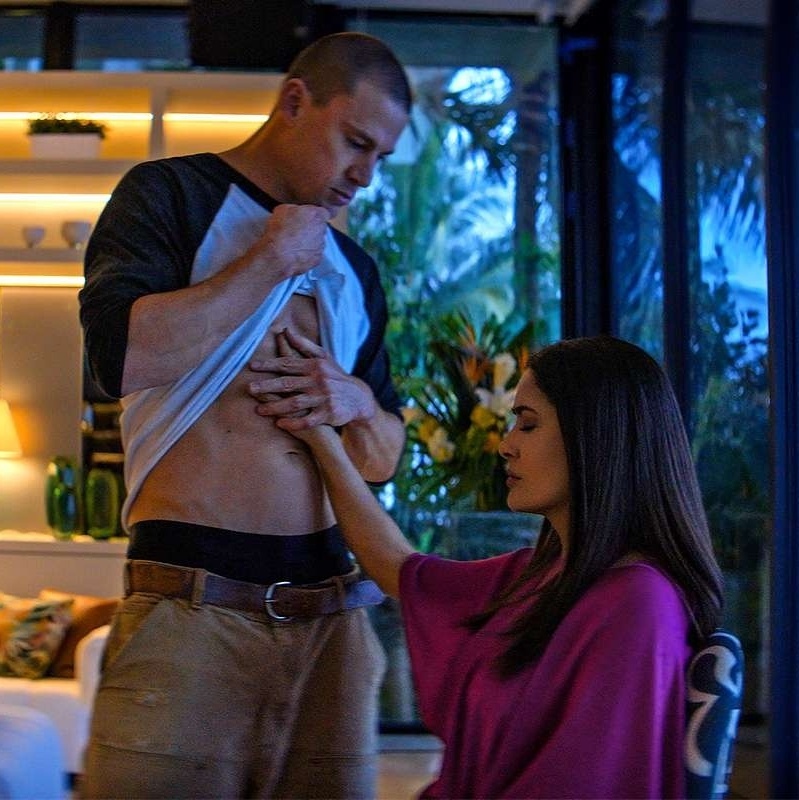
We find Tatum’s super-stripper Mike washed up at 40, with his much touted furniture business killed by Covid. “Alone and adrift in an ocean of failed relationships and unrealised dreams,” as the initially mysterious female narrator noir-ishly puts it, his stripping days are done. Until, that is, he’s recognised while bartending for unhappy socialite Max (Salma Hayek Pinault), who insists on a private dance. This set-piece, meeting-cute dry-hump suffers from the glossy athleticism of bad Nineties Hollywood sex, but burns with Hayek’s desire and lengthy satisfaction. Fuelled by this glowing memory, she drags Mike to London, pauses a Jane Austen-esque hit at a West End theatre she co-owns, and tasks him with reworking its stifling female choices for a show where women can enjoy the whole beefcake menu.
 Soderbergh welcomes us to London with Tower Bridge and tourist tat, superficiality perhaps also suiting Max’s frictionless, super-rich urban life. Daughter Sadie (Jemelia George), butler Victor (Ayub Khan Din) and live-in non-lover Mike share a Mary Poppins fantasy of grand houses and posh dining, spliced with the inverted Pretty Woman dream of a gorgeous rich woman whisking a poor hunk away. Class offers the only tension, as Max’s capricious posho gives Mike powerless opportunity. Considering himself “purchased”, he knows the terms and conditions: “You say, ‘Jump’, I say, ‘Which bed?’”
This refined world requires adjustment. “I don’t really fuck with vegetables,” Mike confesses, suspiciously dismantling a cucumber sandwich. Max is also ripe for ridicule, proving an ignorantly interfering producer listened to for her money. A moment’s consideration of the real response to a smash costume drama’s surprise strip-club makeover, and the concoction crumbles.
Max’s power reinforces the film’s real fantasy of universal, toxin-free, safe but sexy masculinity. Soderbergh gives quiet grace to this complete reimagining of gender dynamics, a regularly apparent, almost subliminal shift purring beneath otherwise unremarkable scenes, and embodied by Tatum’s slow-burning charm and Hayek’s finessing of fiery Max.
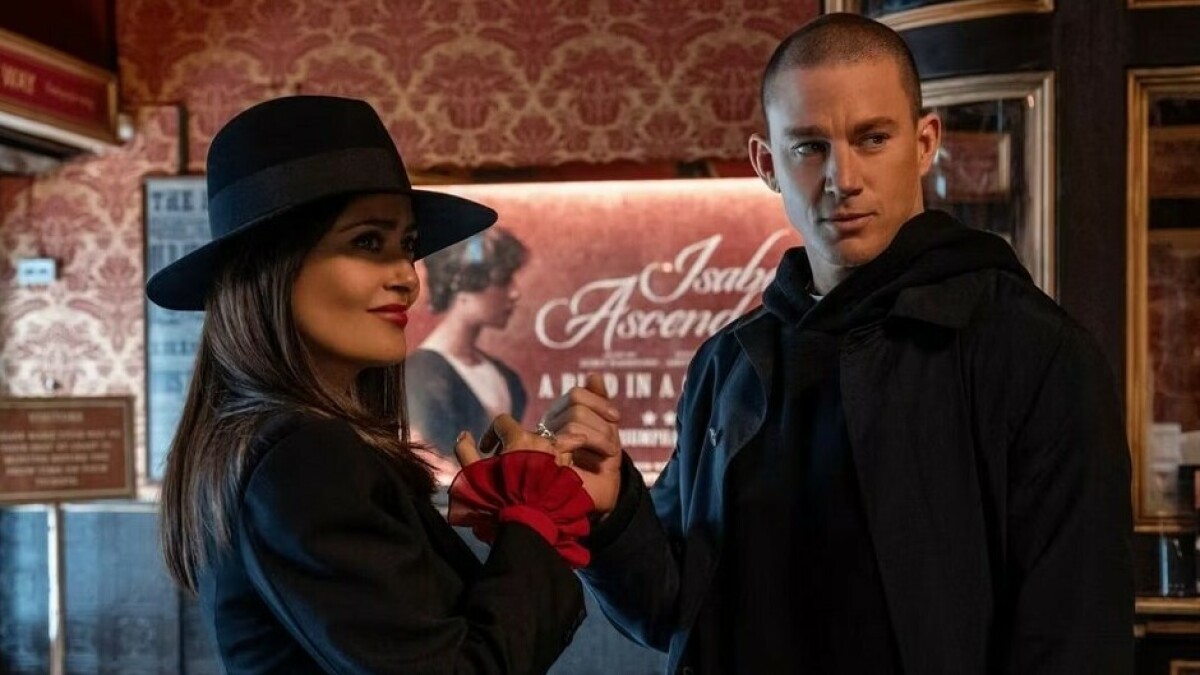 Mike’s “ultimate” strip show makes its grand theatre look small and cheap, though. Soderbergh supplies some art to Mike’s water-drenched big number, and mirror-images in a dry ice haze, but the show’s supposed profundity is lost in hen night vibes.
Soderbergh has claimed early Bertolucci’s sensuality as an influence, and allowed thematic links to the female desire in his debut Sex, Lies and Videotape (1989). Magic Mike’s Dance says more about his prolific, omnivorous agnosticism to high and low art, glossy hits and quick experiments. Here he provides adequate context and hot male bodies for a too chaste girls’ night out, wrapping its radical implications in romcom and kids’ film candy floss.
Precocious amateur novelist Sadie is revealed as our narrator, incidentally, turning Mike’s life into a modern, mildly meta Austen tale. Soderbergh and series screenwriter Reid Carolin conclude Mike’s last outing as they did the first, with the conclusion Max railed against, that happy people have to be poor. Even in the Mike-iverse, men and women still can’t have it all.