Mami Wata is the female West African water god still worshipped in Iyi, a fragile, matriarchal village redoubt against modernity. Writer-director C.J. “Fiery” Obasi’s third film makes Iyi a battleground for African identity, in a glistening black-and-white fable played out to the sea’s constant, low crash and wash.
Mama Efe (Rita Edochie) is Mami Wata’s Intermediary, receiving the villagers’ tithe in return for divine protection. But when she can’t revive the drowned friend of her headstrong daughter Zinwe (Uzoamaka Aniunoh), the latter bitterly runs off with a vital totem, leaving her wiser sister Prisca (Evelyne Ily, pictured below right with Aniunoh) with the waning matriarch, already subject to insolent sneers from neighbouring men. When dreadlocked castaway Jasper (Emeka Amakeze) washes ashore half-dead, Mama and Prisca nurse him back to health, Prisca then making ecstatic, relieved love with him.
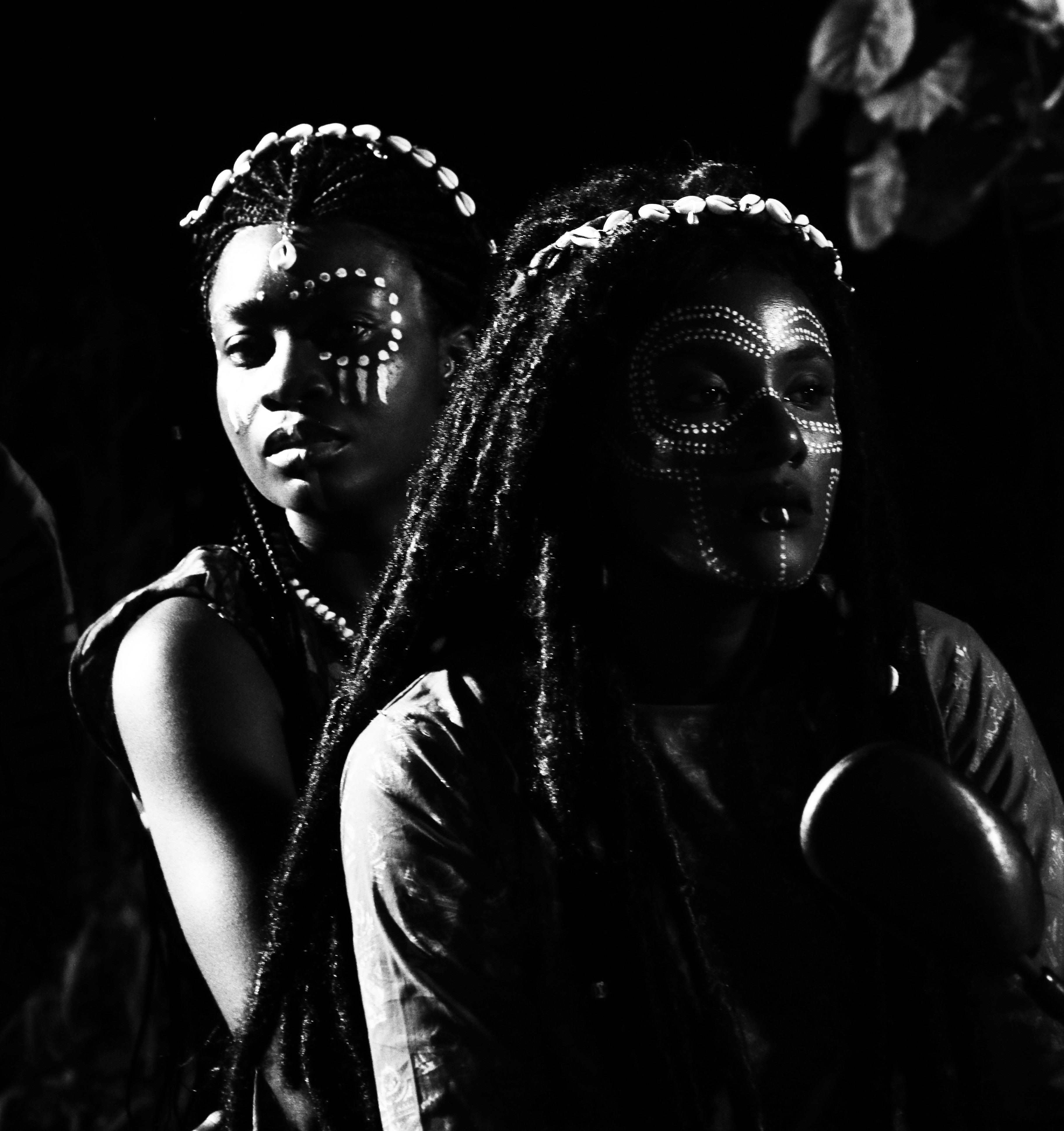 Splashed water gleams and runs from Jasper’s skin as he washes afterwards, even flesh and light aqueously elemental in Lilis Soares’ cinematography. It’s also a scene of transformation, as Jasper is revealed as a Luciferian turncoat. A brutal survivor of endless conflicts and familiar to white gunrunners, he’s an emissary from the cruel African reality which now singes the edges of Ily’s literal backwater. He wears a crucifix, and represents the neo-colonial power of the gun, bought by exploiting the vulnerable villagers it’s used to oppress. Promising hospitals and schools, he instead provides rape and pillage. The sisters unite to fight their new male oppressors with simulated miracles and wrestling skills, but despite these folkloric tricks, the battle is a bloody waste.
Obasi’s debut, Ojuju (2014), was a zero-budget zombie film, and his second, O-Town (2015), a crime thriller, and he grew up steeped in Stephen King. This latest low-budget genre film, co-financed in his native Nigeria and shot in Benin, comfortably combines magical realism, rural horror and West African folklore. There are parallels to Mark Jenkin’s micro-budget Cornish horror films in Obasi’s jerky jump-cut apparitions and sparse, enigmatic milieu. Soares’ monochrome cinematography helps take Mami Wata out of time. Samy Bardet’s oceanic sound design and Tunde Jegede’s score – brooding then lilting, leaning on traditional kora and Ngoni instruments and songs by Amadou and Mariam – add to the near-psychedelic, hauntingly strange visions in this place of water and forest at the luminous, liminal edge of its world, where either all things are still possible, or magically suspended tradition will crumble.
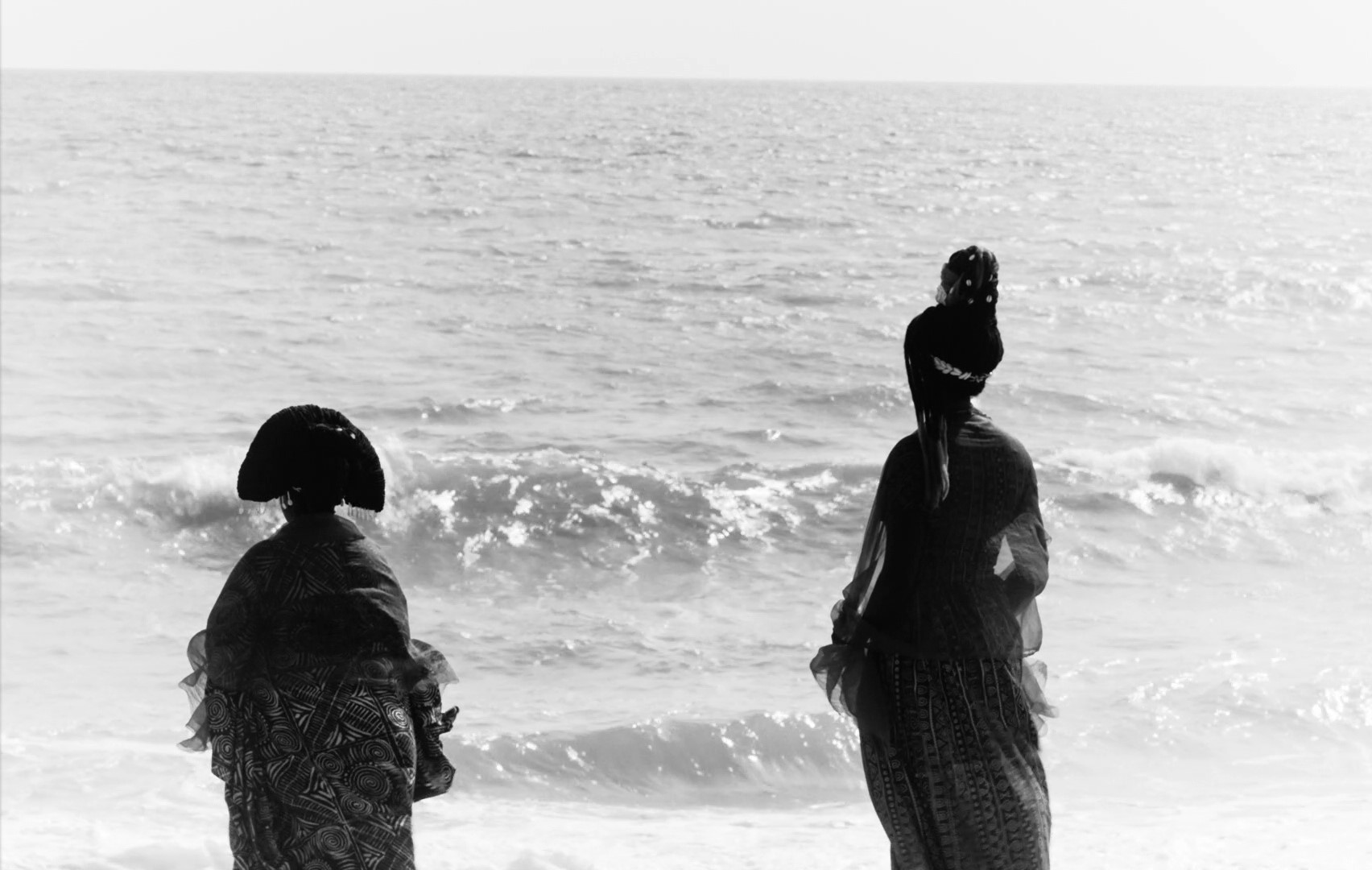 Prisca’s white-beaded makeup (by Campbell Precious Arebamen) is the sort of venerable look often blended into the Afrofuturism which Black Panther made a global cutting-edge. Against this, Obasi sets quiet, naturalistic scenes, like Prisca’s quiet night-time conversation with a male admirer in a bar, swigging bottles then dancing by beachside flames.
There are real arguments against Iyi’s stubborn holdout - as unlikely yet somehow impervious as Asterix’s Gauls. Obasi himself plays an English-speaking doctor arriving to offer the same medicine, hospitals and schools Jasper fraudulently dangles, only for Mama Efe to trust in Mami Wata’s beneficence. Obasi takes the side of myth and magic, of ancient verities against the corrupting outside. He also delivers a gripping, gorgeously shot yarn, pushing beyond Nollywood.