

When you stop to think about it, Schwanengesang is a pretty ridiculous thing. Schubert’s final song cycle was famously put together by his publishers after his death, and so it’s barely a cycle at all. Therefore, unlike Die schöne Müllerin and Winterreise, there’s no story and, even worse, the lurches in mood between the songs are so extreme that they can become absurd.
I reflected on that several times while watching Ian Bostridge singing it during this EIF Queen’s Hall recital, because his identification with the songs and their meaning seemed so complete that he could drag the audience into the self-examinatory depths of a song like “Der Doppelgänger”, just before turning merrily on a pinhead in a light-hearted ditty like “Die Taubenpost”. But this worked only because Bostridge was so skilled at entering into every song’s little universe. Every consonant mattered, every musical phrase was carefully considered so as to convey meaning and enrich the listener’s understanding, whether that was in the jolly love song of “Das Fischermädchen” or the gothic horror of “Die Stadt”.
 The surprising thing was how well the songs of youthful love and longing suited Bostridge’s voice. He’s now more associated with characters of age and experience, even cynicism, but he showed such uncanny ability to enter into the spirit of Schubert’s love songs that you never for a second questioned it. However, it was still the songs of searching agony that suited him best, whether in the roiling turmoil of “Atlas”, whose agonies seemed perfectly pitched to the upper register of Bostridge’s voice, or the dark foreboding of “Kriegers Ahnung”, not to mention the darkness of “Der Doppelgänger”, much of which was sung at little more than a whisper.
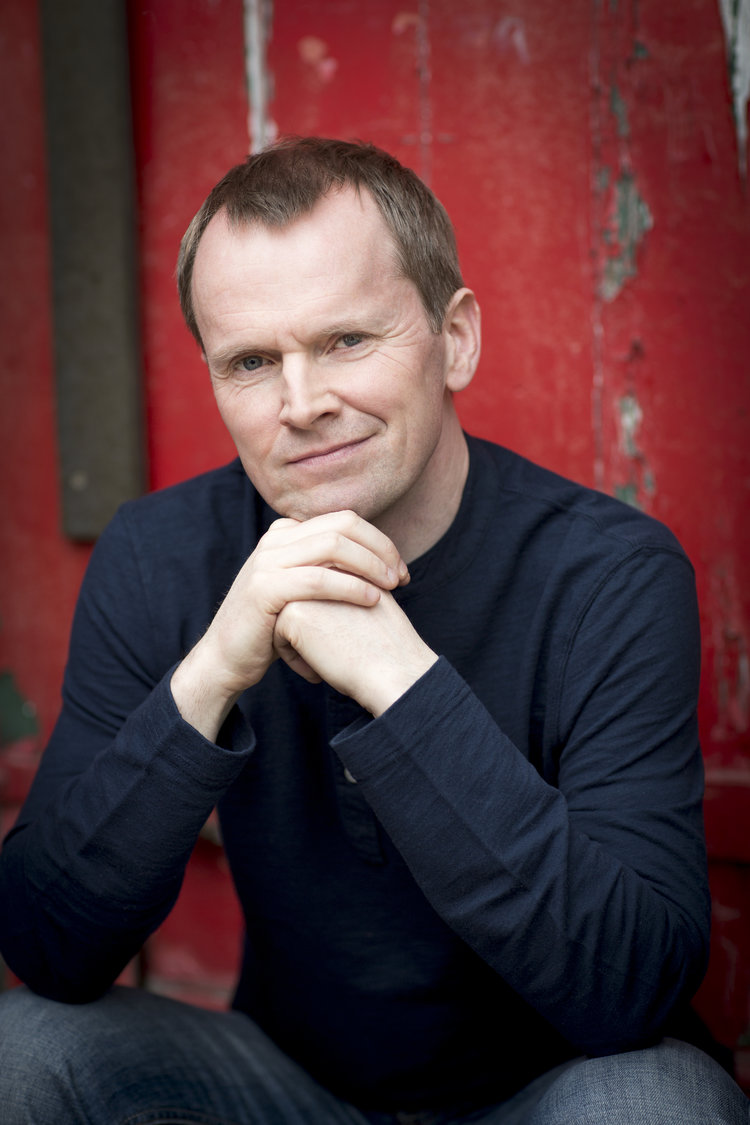
Steven Osborne (pictured above by Ben Ealovega) proved a perfect partner at the keyboard, conveying as much subtext with his fingers as Bostridge did with his voice. The gentle ripples of “Liebesbotschaft” became the doom-laden oar strokes of “Die Stadt”, while the piano could leap for joy in “Frühlingssehnsucht” and skip along with the post vehicle of “Die Taubenpost”. “Ständchen” saw both of them at their best, a lovely combination the gently padding piano with Bostridge’s arching vocal line; a treat.
I’m not sure about their decision to split the songs over the interval, though. The Rellstab settings came before the break and then, post-interval, they inserted four other songs before picking up with Schwanengesang’s Heine songs, and this meant that the bubbling turmoil of “Atlas” was made for the shock therapy of re-entry. If Schwanengesang is to be an entity at all, then it’s surely best to experience it all at once. That was pretty much the only complaint, however, about a morning of song as intense and searching as you’re likely to find.











