From James I’s campaign to wipe out witchery to the feuding sister sorceresses of The Wizard of Oz and the new film musical Wicked, spellcasting by supposedly wayward women has never been able to avoid persecution and misunderstanding.
British filmmaker Elizabeth Sankey, who admits a childhood fascination with TV's “good witches”, like Bewitched's Samantha Stephens (Elizabeth Montgomery), recently found a deeper, more disturbing kinship with such figures. After the birth of her son, now three years old, Sankey suffered depression so severe that she spent months in a mother-baby psychiatric unit. As she recovered, she learned that perinatal mental illness, sudden and intense, is far from uncommon. Out of her worst fears (of self-harm, of being an unfit mother), Sankey pondered her illness’s connection to the plight of sociallly demonised women through the ages and in media.
Sankey’s new documentary at first seems like a scholarly, smartly edited meditation on witches in history. But as Witches includes the voices of women whom Sankey relied on to help her recover, it becomes a testament to the power of female friendship. That this ad hoc support group jokingly calls itself “our coven” is testimony to how far we’ve come from the days of the Salem witch trials. Or have we?
 Sankey’s film weaves a dark tapestry of cinematic depictions of imaginary sorceresses and madwomen, drawing from classic cinema (Haxan, The Passion of Joan of Arc) to lighthearted fare like I Married a Witch to more recent shockers like Rosemary’s Baby, the original Suspiria, and of course, The Witch, which starred Anya Taylor-Joy as a Pilgrim-era girl tempted by the devil himself. (The documentary’s evocative soundscape, composed by Jeremy Warmsley, borrows too heavily from that film’s signature musical sting.)
Some of Sankey’s assertions are a stretch. The Jacobean-era witch hunts did not exclusively target women – men in Salem and the British Isles were executed, too. The religiosity and misogyny of those times made women’s work like midwifery and folk-healing suspect, but some of the talking heads in Witches disagree on the cause of persecution of outsider women.
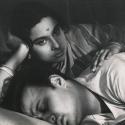
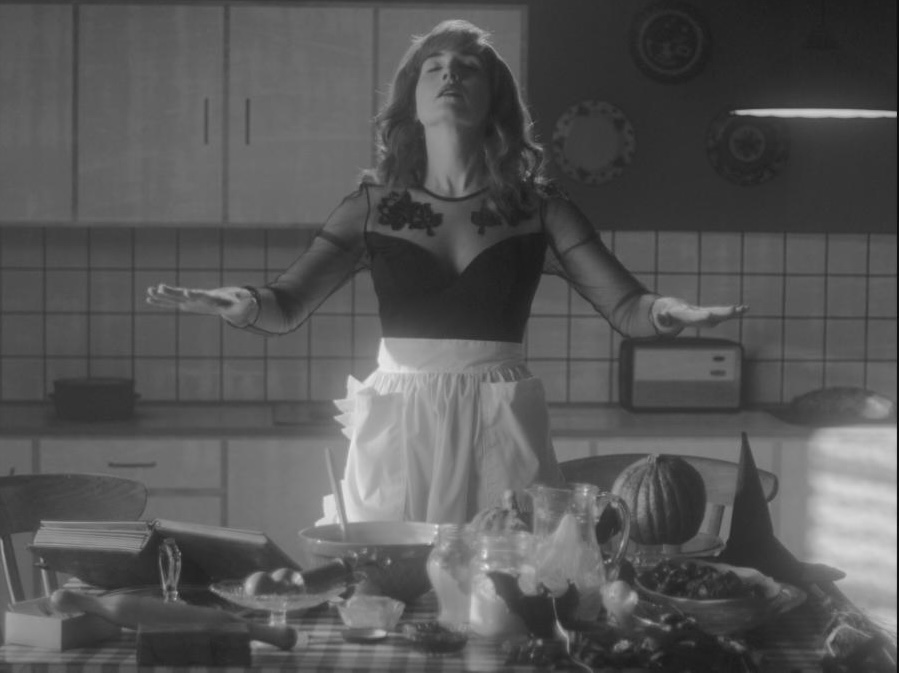
“Witches embody all the worst fears about other people – that others could have evil intentions toward us or that imagined groups of people are plotting against us," says Marion Gibson, a professor at the University of Exeter. Sankey’s most moving arguments come from her own performance in the film’s black and white vignettes, where she casts herself as a bonneted Pilgrim and a beguiling, Veronica Lake-like fantasy figure (pictured above) cooking up a magical meal.
The film’s most shocking moment comes when Sankey reveals that though the U.K. has made progress in psychiatric care, setting up 22 inpatient mother-baby treatment centres, the suicide rate of new mothers has remained steady. With both humour and sorrow, Sankey recalls that the first medical professional who responded to her crisis told her, “Welcome to the Baby Blues” – as though sleeplessness, thoughts of suicide, and fears of harming her child might be dismissed with a joke. Witches should go a long way to taking postpartum depression – and socially stigamitised women – more seriously.
- More film reviews on theartsdesk