

Few symphonies lasting over an hour hold the attention (Mahler’s can; even Messiaen’s Turangalîla feels two movements too long). Wynton Marsalis is a great man, but his Fourth, “The Jungle”, is no masterpiece, not even a symphony – a dance suite, maybe, with enough bold textures to recall wandering attentions. We needed less of this, and more of the Duke Ellington selections superbly played by the 15-strong Jazz at Lincoln Center Orchestra in the first half.
Right at the start, clarinettists Sherman Irby and Alexa Tarantino blew us away in "The Mooch". Trumpet solos flamed; the saxophones had their moment in the sun for the last of what, alas, were a mere four numbers by the Duke, "Big Fat Alice's Blues". Marsalis's introductions were charming and passionately well informed: what a tradition this group has carried for nearly 40 years. Veterans and young ones, working at the highest level, share a palpable delight in their music-making. 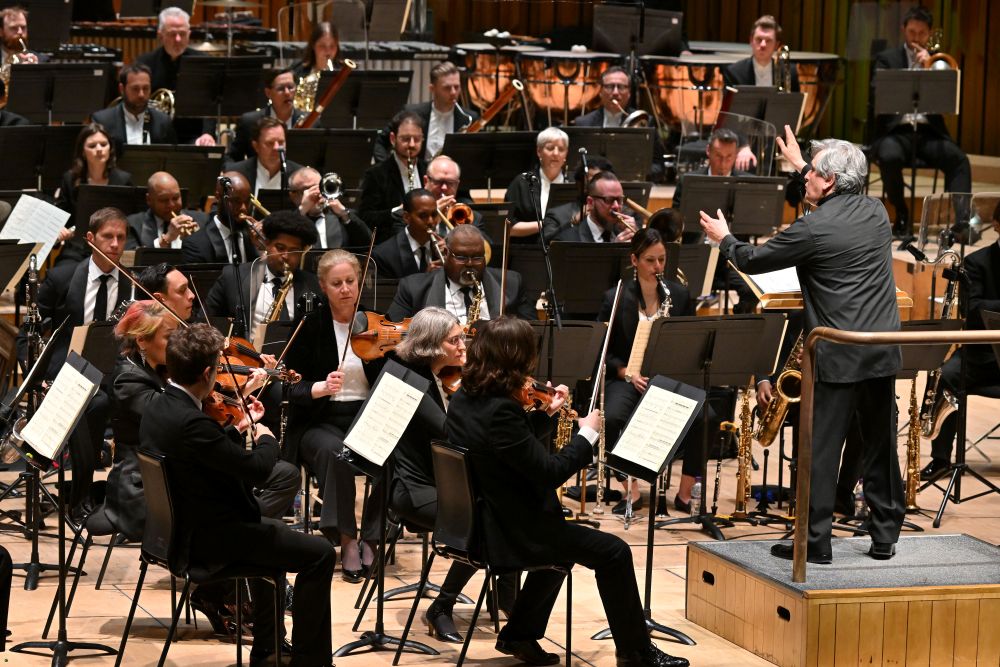 As they so clearly did in Marsalis's Fourth Symphony, though their place within the body of the London Symphony Orchestra meant that part of the visual pleasure was lost to those of us sitting further down in the stalls. It was, though, a joy to see Antonio Pappano's mobile face and body matched to precise conducting gestures. He clearly knows every unexpected accent, every dynamic in what must be a difficult work to energise throughout. It starts compellingly. Halfway through the first movement, depicting the nervous energy of NYC, the big sounds begin to diminish. Contrast, you think. Sadly, not for long; and while the ensuing dance, "The Big Show", moves more to the direction of Broadway, it's essentially more of the same.
"Lost in Sight (Post-Pastoral)", begins with desperately-needed introspection, with Marsalis's intention being to connect New York's homeless with the legacy of slavery. Is it possible that we're going to get the kind of contrasts which make such a striking impression - along with ideas of greater substance - in Howard Brubeck's Dialogues for jazz combo and orchestra?
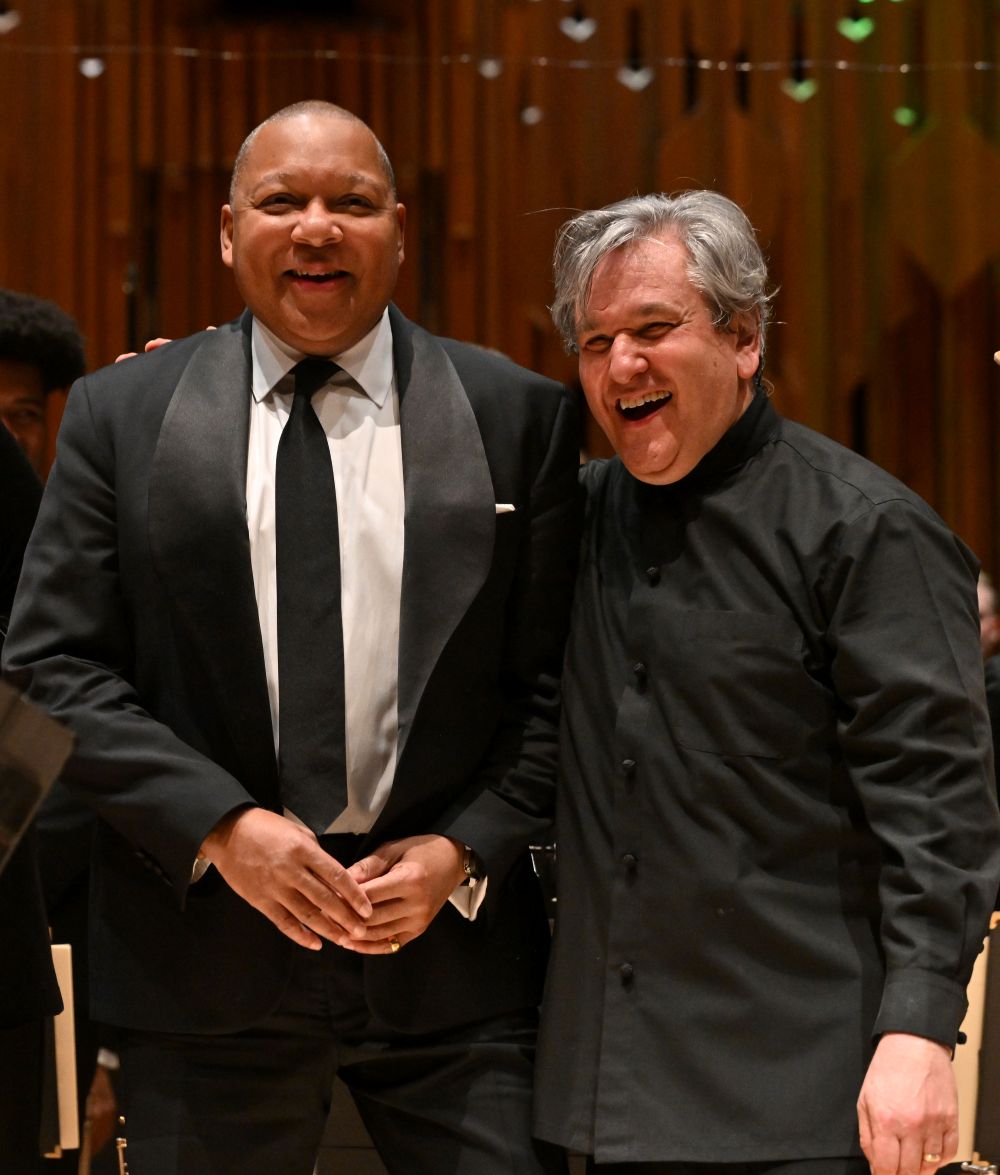 No; ants get back into pants all too quickly. The writing for woodwind and semi-fugue towards the end are perhaps the most distinctive part of the "Symphony", but then we go back into what feels like AI territory and remain there until the improvised end of the work, Pappano and all bar the strings, holding a sustained chord, having done their essential work. It's startling, and suggests that "carnivorous capitalism" has eaten itself, but it's almost too late for original gestures.
Throughout all this, the LSO and their American counterparts played with unstinting generosity and conviction, but what for? And maybe as a jazz outsider I miss the point, but even in the Ellington, nothing earwormed me. While the engine runs, the car's impressive; but how do we remember the journey? Standing ovation well deserved for the musicians; but lasting impact? You'll have to ask others.











