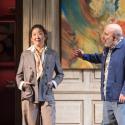
On the Other Hand, We’re Happy Summerhall ****
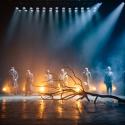
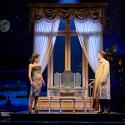
This affecting co-production between Paines Plough and Theatr Clywd of Daf James’s play takes a sideways look at adoption.
Twentysomethings Abbi (Charlotte Bate) and Josh (Toyin Omari-Kinch) have been together for almost their entire lifetime. They’re solid, so it’s a shock when they can’t have a biological child, and they decide to adopt.
The long drawn-out nature of the adoptive process is neatly essayed here, with endless discussion about what kind of child they wish/will be allowed to adopt, and the pitfalls to be avoided. One wrong step and they fail.
Adopting as a couple is hard enough, adopting as a single parent is even tougher, and James throws a curveball as Josh is left on his own.
The scenes between him and his adoptive daughter’s birth mother, Kelly (Charlotte O’Leary), whose drink and drug problems mean she cannot cope with motherhood, are believable and emotive. Yes, our emotions are being manipulated - the actors even break the fourth wall at one point to ask what we would do in a certain situation - but these scenes have real dynamic power.
What works less well in Stef O’Driscoll’s production is the use of movement to convey emotional turmoil. It doesn’t need it, as the words are expressive enough, beautifully acted by a talented cast.
Until 24 August
Daughterhood Summerhall ***
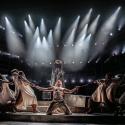
Acting as a sort of companion piece to On the Other Hand, We’re Happy, Daughterhood by Charley Miles is another Paines Plough-Theatr Clwyd co-production, with the same three talented actors.
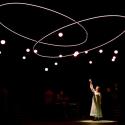
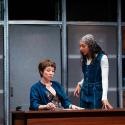
Rachel (Charlotte O’Leary) returns home after some years away. She is fresh from leading a successful political campaign at Westminster, her career having overtaken her sister Pauline’s, older by nine years. When they were children, Pauline was the one everyone expected to take the glittering prizes.
But there are no prizes for cleaning up after their bedridden father, and Pauline (Charlotte Bate), who once thought the two sisters would share his care, feels downtrodden and trapped. They fret and argue, and are both keen to take the moral high ground and point out where the other went wrong.
Toyin Omari-King appears as various male figures in the women’s lives, and we see them in flashback, when Pauline had hope and positivity as she worked towards her MA, and Rachel, feeling in her shadow, rebelled to gain attention - not least their father’s.
The central issue, of familial responsibility, is an interesting and timely one with an ageing UK population, but this gets somewhat overshadowed by the one-note writing in scenes between the adult sisters. But again the actors are superb in Stef O’Driscoll’s production.
Until 25 August
The Shark Is Broken Assembly George Square ****
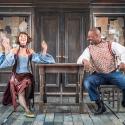
Anyone who has seen Jaws, and that probably means all of us, will know that it features a shark. Not a real one, of course, but in pre-CGI days, a mechanical one. What is perhaps less well known is that Robert Shaw, who played shark hunter Quint, was keeping a diary during the filming off Martha’s Vineyard in 1974.
It was a fraught shoot. Bruce - the nickname given to the model shark - often broke down and bad weather affected the shooting calendar, as did tourists and other boat owners drifting into shot.
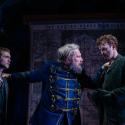
But mostly, the friction was between Shaw and his younger co-star Richard Dreyfuss (with the laidback Roy Scheider often acting as peacemaker). Now Shaw’s son Ian - one of nine children from Shaw’s three marriages - has fashioned an entertaining play from the diaries, in which he plays his own father, who died in 1978 when Ian was eight.
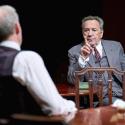
He’s the spit of his father, and speais with his clipped delivery. Duncan Henderson is a wonderfully serene Scheider, while Liam Murray Scott parlays Dreyfuss’s nervy cockiness.
Shaw junior (writing with Joseph Nixon) neatly and often comically captures the actors’ egos and anxieties, and their competitive spirit as they play cards and lay silly bets. None of them particularly rates Steven Spielberg, Jaws’ director, and they all think the film will, er, sink without trace.
The play, tightly directed by Guy Masterson, is more than mere industry gossip, as Shaw tackles his father’s alcoholism and the effect that fathers have on their children. This play deserves a life beyond the Fringe; yes, they’re going to need a bigger theatre.
Until 25 August