Creatives – or creatures? In the 1660s, women – having been banned from working as actors in previously more puritanical decades – finally arrived on the stage in London theatres. Although they were sometimes scorned as “playhouse creatures”, often condemned as monsters and whores, they were also seen as demi-goddesses, capable of enchanting their audiences.
Their multi-faceted world is well evoked in April De Angelis’s 1993 play, now revived at the Orange Tree Theatre, which gives a robustly feminist account of thespians in the Restoration reign of the Merry Monarch, Charles II.
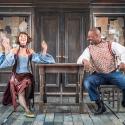
This her-story features five women: as well as the king’s mistress, the energetic and feisty Nell Gwyn, the others are Mrs Mary Betterton (senior figure, wife of the leading actor-manager of the Duke’s Company), Mrs Rebecca Marshall (worldly trooper, formerly the mistress of the Earl of Oxford); Mrs Elizabeth Farley (keen newcomer, who gets pregnant); and finally Katherine Corey or “Doll Common” (aged actor, who assists the others and is our initial guide to this world). The play gives a sketch of their characters in a series of accessible vignettes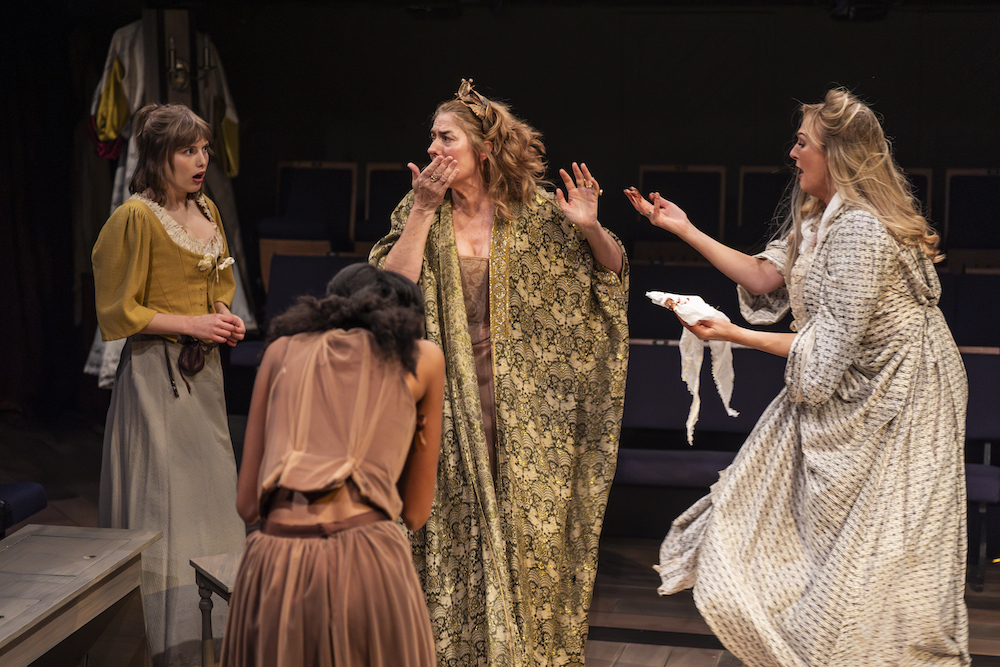 With a realistic mix of female solidarity and rivalry, we see the arrival of Nell at the theatre company, her first efforts at acting, turning her excruciating failure in the bit part of a shepherdess into success with an impromptu jig. Meanwhile, Mrs Betterton demonstrates the noble art of acting, using the image of a clockface to show how different emotional states depend on which way you incline your head, and Mrs Marshall is physically attacked by Oxford’s lackeys for responding from the stage to audience catcalls. Other incidents include an attempted abortion, an episode of Macbeth-inspired witchcraft and Nell’s amusing account of the “tit parts” that guarantee popular approval.
Playhouse Creatures flips between offstage lives and onstage performances. We get glimpses of Cleopatra’s demise, speeches by Mrs Betterton as Lady Macbeth, and both an Amazon scene and a breeches episode when two of the actors wear male clothing. While it’s easy to pick up the Shakespearean references, in those days often performed in versions by John Dryden, William Davenant and Nahum Tate, only experts in Restoration drama will catch all the other references. There are name checks for Aphra Behn and Thomas Otway, but you have strain your memory to remember that Doll Common is named after the sex worker in Ben Jonson’s The Alchemist.
Offstage, the story, such as it is, centres on the rise and rise of Nell being mirrored by the slow decline of Mrs Betterton. During the Restoration, the word “actress” had connotations of loose living, and all these women are torn between depending on men and financial independence (some even get shares in the theatre company). De Angelis shows how women were, as they still often are, objects of the male gaze, vulnerable to sexual violence and struggling to attain autonomy. As Mrs Betterton grows older, her fear of aging – and nostalgia for the past – grows stronger, while Doll remembers how theatres were once bear pits, and talks about the horrific treatment of these animals, as well as the radical nature of women’s first appearance on stage.
At one point, Mrs Marshall says that all of them not only act out fictional stories on stage, but also perform their roles as woman in everyday life. The performative nature of female experience runs through these brief glimpses of hopeful aspiration and grim distress as their fortunes rise and fall, from youthful attractiveness to elderly invisibility. Playhouse Creatures was originally staged by Sphinx, a feminist theatre company, and was then rewritten, with the addition of Mrs Barry, Otway and the rake Lord Rochester, for the Old Vic in 1999.
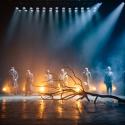
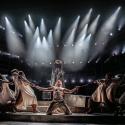
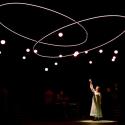
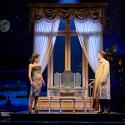
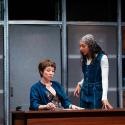
The current version is a two-hour romp with a good cast of five women (pictured above), neatly directed by Michael Oakley, and set for a short tour. On designer Fotini Dimou’s set, which features antique candelabra, lowered and then hauled up to indicate which scenes are set on stage, the acting emphasizes enjoyable fun, rather than tragedy. Anna Chancellor’s commanding Mrs Betterton dominates the women, who are each quite distinctive: Zoe Brough’s bright and funky Nell, Katherine Kingsley’s strong-minded yet vulnerable Mrs Marshall, Nicole Sawyerr’s gutsy if sad Mrs Farley and Dona Croll’s wise and cynical Doll. The main problem with the play is that its sketches and snapshots never coalesce into a compelling plot, and the evening – for all its jokes, shiny costumes and quarrels – lacks drama.