The TMA regional theatre awards are about to be announced, which makes it perfect timing to visit a nominee - one of the UK’s most influential venues, the Stephen Joseph Theatre in Scarborough, North Yorkshire. The SJT was the country’s first theatre in the round and has been associated with new writing since it was established, as the Library Theatre, in 1955.
Joseph was the son of actress Hermione Gingold and publisher Michael Joseph, but the SJT’s most famous association has been with Alan Ayckbourn, its third artistic director, who served from 1972-2009 and premiered more than 200 plays in that time. The SJT became synonymous with Ayckbourn and he premiered most of his plays there, more than half of which went into the West End or the National Theatre in London.
 It was during Ayckbourn’s tenure that the theatre found its third and permanent home, and was given its new name, in a beautiful 1930s former Odeon cinema (pictured right). It has two performance spaces, a theatre in the round and a traditional end-stage, and Ayckbourn’s successor as artistic director, Chris Monks, is continuing SJT’s commitment to new writing, which brings us to The Price of Everything by Fiona Evans.
Evans’s breakthrough play was, coincidentally, entitled Scarborough; which had a critically acclaimed sellout run at the 2007 Edinburgh Fringe and then transferred to the Royal Court in London. Evans likes to take on big themes and give them a human story to examine the minutiae; Scarborough dealt with teacher-pupil sexual relationships, Geoff Dead: Disco for Sale was about the suspicious deaths at Deepcut Barracks and now in The Price of Everything she examines our materially obsessed world.
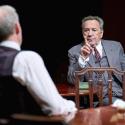
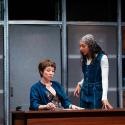
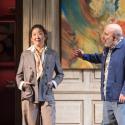
We are in Cheshire’s des-res area of Alderley Edge, full of super-rich footballers and self-made men like Eddie (Andrew Dunn), whose hard work and entrepreneurial spirit have bought him the good things in life - a gated mansion, a champagne lifestyle, expensive holidays and ponies for his privately educated daughter, Ruby (Jodie Comer, making a confident stage debut). The family return from a charity event organised by his ex-beauty-queen wife, Pam (Julie Riley), whose life revolves around such things, and where he has engaged in a bout of wallet-waving with a business rival to buy at a ridiculously inflated price a signed photograph of Kerry Katona (which forms a nice running gag in the play).
Despite the outward appearance of this being “a nice family evening” during which Eddie insists they play Monopoly, it’s anything but as we realise that his behaviour is increasingly bizarre, paranoid even. Why won’t he let Ruby’s friend in when she calls round, or allow anyone to use the phone? And why hasn’t he told Pam about his recent visit to the doctor?
Evans teases her audience with glimpses into what the real story could be: does Eddie have a terminal condition or maybe even a mental illness, or is it some guilty secret that’s making him behave so oddly? And the couple’s seemingly happy marriage is gradually unpicked as we see the compromises Pam has made in deciding it’s better not to ask too many questions about how they can afford the good life. Ruby, full of life’s certainties in the way that only an overprivileged 16-year-old can be, accuses Pam of marrying Eddie for his money. “Nothing wrong with being shrewd,” she drily replies. Later, she sums up their marriage: “He’s the hunter and I gather. Designer shoes, mostly.”
Real-life events sparked Evans’s idea and the denouement, even for those who follow the news closely, is still shocking. It’s a serious play and a timely one in our celebrity and wealth-obsessed times - The Apprentice’s hopefuls should be made to watch it - but one written with Evans’s trademark ear for comedy. Pam had a personal trainer but Eddie dismissed him because, “I didn’t trust him. His shorts were too tight.”
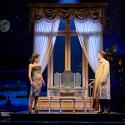
Dunn is, as ever, excellent and Riley gives Pam a nicely brittle edge. Noreen Kershaw’s sympathetic staging is full of bright ideas (she uses video inserts to fill in the background detail of this “normal” family) and in this she is aided by Tim Meacock’s terrific design and Jim Simmons’s atmospheric lighting.
- The Price of Everything is at the Stephen Joseph Theatre, Scarborough until 13 November