“Darkly comic thrillers” (as they like to say) set in Ireland tracking how families, or quasi-families, fall apart under pressure are very much in vogue just now. Whether The Banshees of Inisherin will garner the Oscars haul it hardly deserves remains to be seen, but set 60 years later in a different Civil War, I suspect Under The Black Rock will not be troubling theatre’s award ceremonies next year.
During the euphemistically named The Troubles, a Belfast mother loses her son, having seen him follow in his father’s footsteps into the Provisional IRA. Her daughter, wanting to prove herself and avenge her brother, teams up with a weak PIRA cell leader and a psychotic bomber and unwittingly commits an atrocity. Meanwhile there’s a "tout" (grass) in the high command and suspicion falls on, well, everyone.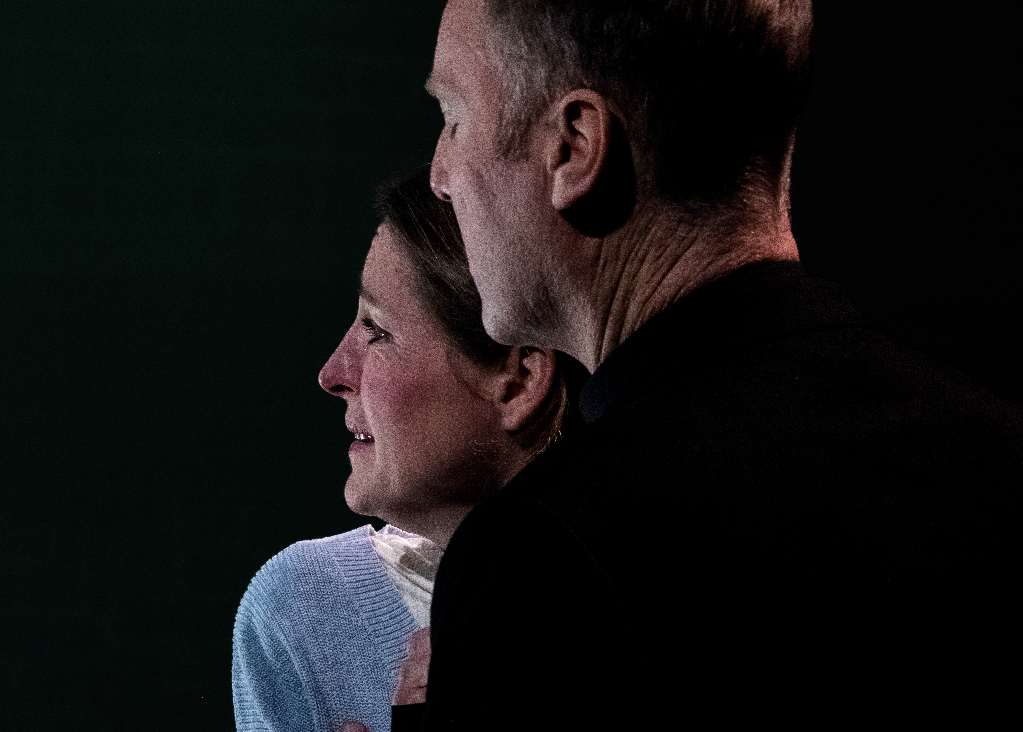 Tim Edge’s play, much reworked by the director Ben Kavanagh, tries to do both too much and too little. It seeks (laudably, as it’s a subject largely ignored on the British stage) to examine how terrorism is seeded and maintained, how it bleeds into personal enmities and tensions and how fragile is the peace in the North, 25 years on from the Good Friday Agreement. But there’s no debate of the underlying historical issues, none of the political strategising that incubated in the H-Blocks 10 years or so earlier during internment, no contemporary context set for the violence. If you didn’t know the specifics of the conflict beforehand, you would be none the wiser at the end.
Instead, the drama descends into soapy banalities. Inter-generational bickering fills time, past infidelities colour present day relationships and hysterical scenes ensue at a funeral. Also, and this is tough in a house that is more or less all hard surfaces, emotions are heightened by shouting – lots of shouting.
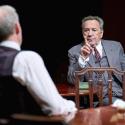
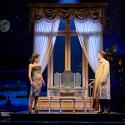
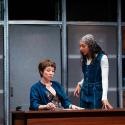
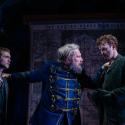
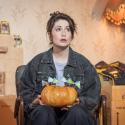
Evanna Lynch is the name draw after her turn as Luna Lovegood in the Harry Potter series and she does what she can with the waifish, grieving Naimh. But both her thin voice and tiny physical presence are overpowered by the rest of the cast, who mostly double roles that they then play big on a largely bare set. Flora Montgomery (pictured above with Keith Dunphy) delivers the dual roles of the mother who lost both her son and her husband and the ruthless Provo commander, and fully demands the stage to the exclusion, at times, of the others.
Keith Dunphy catches the oily charm of the priest, Father Paul Flynn, happy to kill parents but not children and Elizabeth Counsell provides much of the comic relief, albeit through the stock character of a slightly batty old lady, Mary: even so apparently benign a character knows the stakes and the rules of the deadly game, like a mafia Button Man calmly explaining that it’s “just business”.
I kept thinking back to Peter Taylor’s peerless books and documentaries about the assassins, bombers and commanders who carried an Armalite in one hand and a ballot box in the other. His searing interviews in both Provos and Loyalists (there’s an echo of them in the play’s coda) revealed three emotions, quietly and calmly expressed by murderers, grasses and (later) pillars of society. Look into their eyes and you saw ancient defiance, bitter regret or insupportable suffering and the words came, sometimes slowly, sometimes quickly, but always with a vast hinterland of contemplation behind them.
This play needs more of that legacy of the Falls Road and less of the legacy of Coronation Street if it is to get to the heart of its gruesome, necessary subject matter. But, 25 years on, it may still be too soon to share such a dangerous psychological and political space in a London theatre.