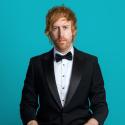
A dead pigeon. A dead squirrel. A dead fox. Lots of maggots – very much alive. I might be describing your worst nightmare (throw in a rat or two and it would be very close to mine) but this array of wildlife forms an important part in Kim Noble's latest show, Lullaby for Scavengers. I warn you, it takes a strong stomach to sit through it – and I have to confess I had to shield my eyes at several points. The show comes with a content warning for a reason.
It's an intricately plotted multimedia show, where Noble operates the equipment with the help of said dead squirrel (perhaps one that he poisoned after it took up residence in his attic), which he has had stuffed and gives voice to through an electronic voice box. In the story (such as it is) about the cycle of life we see Noble trying fatherhood on for size by adopting a maggot (yes, a live one) as his “daughter” and see them on stage and on screen in previously filmed footage of them having a night at the theatre and in various chain restaurants to operate an audacious scam – I think you can work out the details. Oh, and a scene where Noble gives his daughter a kangaroo-style refuge somewhere very intimate... Some of it is delightfully daft and funny, some of it shocking, repulsive even.
The show follows in the tradition of Noble's output, which operates in the Venn diagram of comedy and performance art, by pushing the ethical lines – is the secret-camera footage showing the people whose offices he cleans (and tries to make some connection with) fair to show? And when we see the poignant scenes where his dying father asks his son to sing him one last song – could he give informed consent?
As with the previous shows in Noble's trilogy, this is a thought-provoking and tender reflection on loneliness and connectedness, and his love for his parents (despite footage of him attempting to snog his mother) shines through. His point, too, about it being easier for some people to make an emotional connection with animals (albeit some of them dead here) rather than humans is well made.
There are moments of genius and great pathos – but I'm not sure a show where a goodly proportion of the audience can't bear to watch entirely succeeds.