The overpowering nastiness of Shakespeare’s source material is offset by Verdi’s sublime, impeccably judged music; this is a wonderful opera with barely a dud moment. Trust the score, get decent singers and an understanding, intelligent conductor, and everything should be fine.
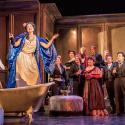
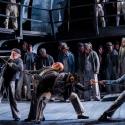
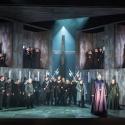
The one rocky moment in Opera North’s new production of Otello comes in the opening minutes; Verdi’s storm-tossed prelude blasts out gloriously, the huge ensemble cast enter and stare boldly out into the auditorium. And yet, when the solo singing starts it’s almost impossible to ascertain where the individual voices are coming from. It’s as if the set’s been carefully, moodily illuminated, but with little consideration given to the characters populating it. Leslie Travers’ battleship-grey, Cold War era designs are an ideal physical reflection of the paranoia and mistrust at the heart of Shakespeare’s text, but you start to crave a little more colour. Happily, things improve rapidly - the lighting enhancing the action rather than working against it.
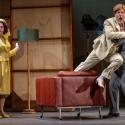
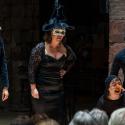
 For all the opera’s grandeur, its epic scale, Otello is at heart a chamber piece, its success ultimately reliant on the casting of the three leads. Ronald Samm’s Otello is a brooding, belligerent stage presence whose ability to stay one step behind everyone else is both endearing and tragic. His thunder is continually stolen by David Kempster’s manipulative Iago. Kempster’s portrayal is all sly, strutting petulance. This is a man who loves the power and status that uniform and rank bring. He also looks as if he’s gone to seed – there’s a hint of a paunch, a slightly ridiculous moustache. This is an officer who’s not been promoted for good reason. But he‘s a brilliantly insidious bully – able to undermine, unnerve with the slightest of comments. Elena Kelessedi as Desdemona acts convincingly, but there’s an occasional hint of harshness to her tone in the early scenes. She does come into her own in the final act, the Willow Song packing a punch, though her sudden, temporary revival after her suffocation by Otello caused involuntary audience giggles.
Director Tim Albery always excels when he’s dealing with large forces. Here, chorus and minor roles always look convincing, the actions always look credible. The opening scene’s fight between Cassio (Michael Wade Lee, excellent), Roderigo and Montano is beautifully well-handled – singers jumping fearlessly on and off tables, the crowd of onlookers swarming around with believable fluidity. Even Albery can’t prevent the kitschy interlude involving mandolins and childrens’ chorus from appearing unnecessarily saccharine, but it does provide a smidgeon of light relief. He’s excellent at ratching up the tension as the opera nears its close, the set growing darker, more enclosed and increasingly claustrophobic. It’s a sign of a gripping production that in the final scene part of you wants to shout out advice to the beleaguered Otello, pantomime style.
None of this would matter a jot if the musical values weren’t up to scratch. Richard Farnes’ conducting is as exemplary as ever, letting his orchestral forces rip in such a way as, mystifyingly, never to overwhelm the singers. Verdi’s delicate, exquisite string writing in the last act is as good as you’ll ever hear it, and there are heavenly sounds from oboes and cor anglais. You don’t often hear Verdi’s music dissected with this much care and affection – take away the cymbal crashes and piccolo shrieks and you’re reminded of what an intelligent, sophisticated composer he was.