Tête à Tête Opera Festival previews Martinů rarity

The composer's wacky Paris years are disinterred

share this article

The anything-goes context of Tête à Tête's enterprising opera festival at the Riverside Studios, now in its fourth year, seemed like a good place to try it out before a packed and intrigued audience (a full production is on the way, and will feature the film sequences that constitute such a novel and integral part of the experiment). Some of us needed little persuading that Martinů was always a true original in everything he touched, even if the masterpieces were yet to come in the next few decades of exile and homesickness for his native Moravia. UK audiences have already had a chance to judge the extreme poignancy of the dream-opera Juliette, and anyone who holds it dear will find many of the same themes here.

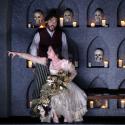
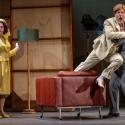
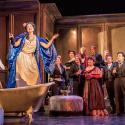
Unless you already know the Supraphon recording of The Three Wishes, you would have been left guessing about Martinů's singular 1920s soundworld from the voices-and-piano-only preview of scenes from Act One (the cutting edge of the pit band in The Knife's Tears, though, already promised wonders in store from Second Movement). We saw rumpled, shooting-mad Monsieur Juste (Paul Carey Jones) and his dream-obsessed, dissatisfied wife Indolenda (Lexi Hutton) at loggerheads, the hunter's discovery of a very peculiar fairy (Alison Dunne) and the launch into the first of the three wishes.

The singing was already fully expressive of the action, the staging energetic and perceptive, the few props (bed, dead animals, snazzy supernatural costume) inventive. Pianist Will Gardner led us pluckily through the jazz and ragtime of the music, building little set-pieces out of shreds and tatters. It's got to be more sophisticated than Scott Joplin's Treemonisha, but then as a Martinů nut, I would say that, wouldn't I. Can't wait to see more.
rating

0

explore topics

share this article

Support the future of arts journalism

Subscribe to theartsdesk.com

Thanks so much for choosing genuinely independent arts journalism theartsdesk’s mission has never been more important – in an age of relentless algorithmic recommendation, sponsored content and unreliable AI, the expertise and discernment of individual critics deeply embedded in their specialist areas is absolutely vital.

If you want more of that in your life, why not subscribe now?

If you do this before the 31st August, you’ll be able to keep at this “founders rate” for life: your subs will never increase! You can choose to subscribe annually for just £40 simply click here
or monthly for £5 per month simply click here.

Not ready to subscribe?

If you want to support with a little extra or aren’t ready to subscribe just yet, there’s also the option to give direct to our crowdfunder to support our imminent redesign and exciting expansion with new features and collaborations Simply contribute here: https://gofund.me/c3f6033d.

However you choose to be involved, you can proudly say that you are picking the right side in the battle for truth and humanity in the modern information landscape. And we will be very glad to have you on board!

more opera

Quality take on Verdi and a pure comedy re-imagining of Léhar
Turbocharged orchestra, sometimes too much so, various approaches from the singers
Richard Jones tries hard with Bellini's vehicle for lyric madness; Lisette Oropesa dazzles
Paula Murrihy is a majestic Persian king, though the orchestra is more flouncy than fiery
William Kentridge's vision subtly blends his political experiences with mythology
Fine music-making illuminates Debussy's sinister blend of realism and romance
In concert, Mozart's farewell opera burns bright
Not a huge number of laughs, but plenty of vocal charm from tenor and soprano
Niamh O'Sullivan is the perfect Knight of the Rose in classy revival
40th anniversary event overcomes disruption with exquisite music-making