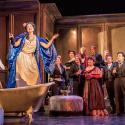
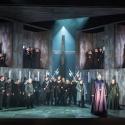
Benoit Jacquot’s handsome period production of Werther has been quietly putting in the miles for the Royal Opera. Since its premiere in 2004, this unexceptionable staging – “this wall, this fountain, this cool shade” all present and laboriously correct – has supplied a London star vehicle for everyone from Joyce DiDonato and Isabel Leonard to Juan Diego Florez, Rollando Villazon and Vittorio Grigolo. Now it’s the turn of Jonas Kaufmann – or, at least, it was supposed to be.
No announcement was made, but it was evident from his opening “Je ne sais si je veille” – almost lost under Antonio Pappano’s surging orchestra – that this was Kaufmann battling for survival: holding the voice back to a close croon through Act I, conserving energy, floating top notes where possible. And for much of Massenet’s score it is possible; this isn’t the passionate, youthful, impulsive reading we might want, but a wearier, more disenchanted lover, bitter and ill at ease in a doomed romance. 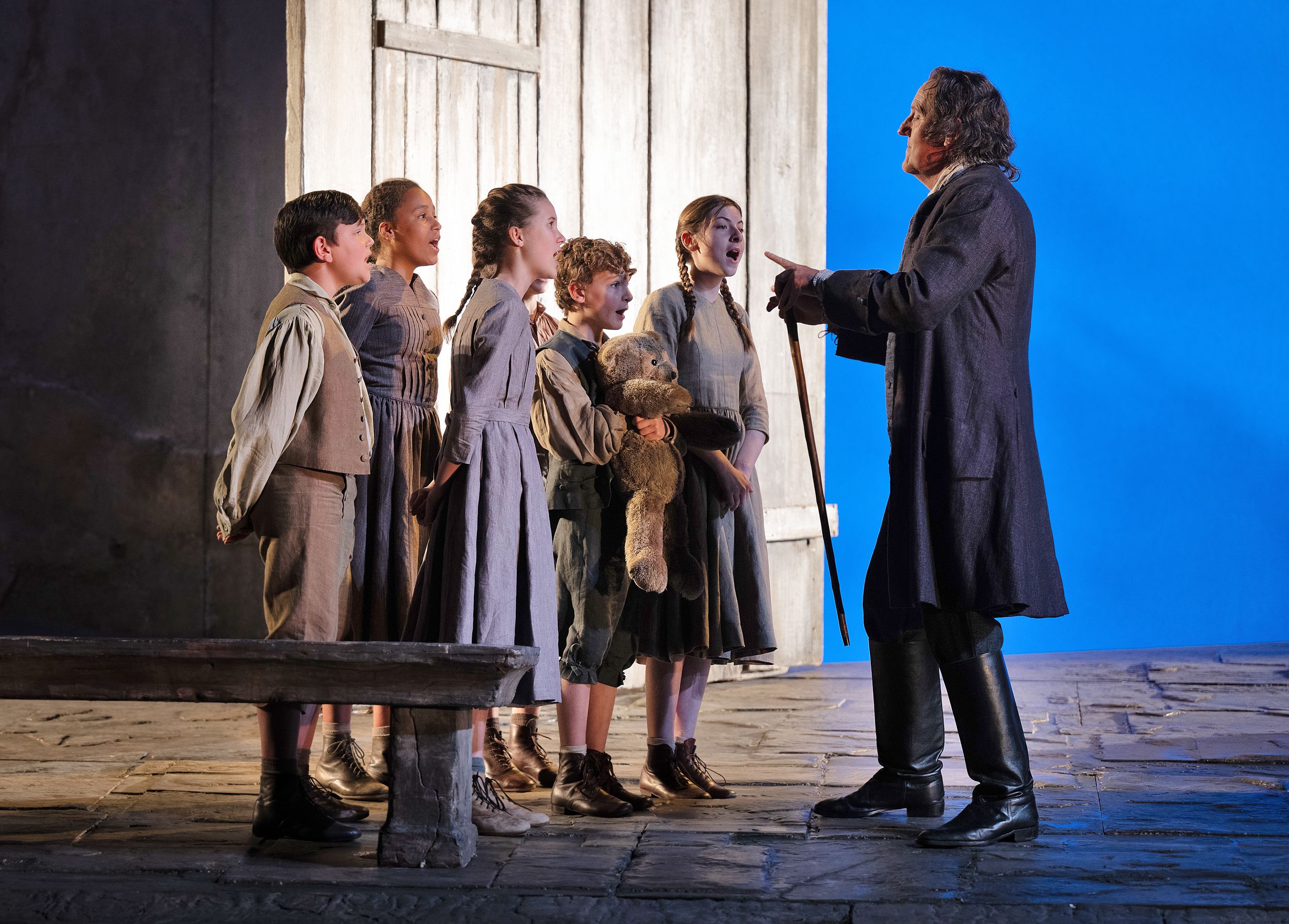 With the end in sight, Acts III and IV opened up the voice a chink further. There was audibly more body to an ardent “Pourquoi me reveiller” and through the exchange that follows. Gunshot wounds are murder on the voice, and the tenor was able to retreat into evocative sotto voce muttering for a touching final scene where some lovely legato lines at last revealed some vintage Kaufmann.
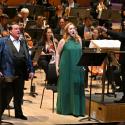
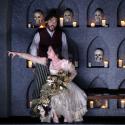
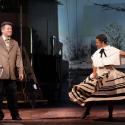
But if Kaufmann (pictured below with Sarah Gilford's Sophie) was unable to live up to his star billing, then mezzo Aigul Akhmetshina (Charlotte) was more than ready to step forward and claim hers. This former Jette Parker Young Artist, still only in her mid-twenties, has already proved her mettle – jumping in to the lead in Barrie Kosky’s trixy Carmen on this stage while still on the scheme – but this feels like an arrival. If her name can’t yet sell out a house, her voice can certainly hold it. 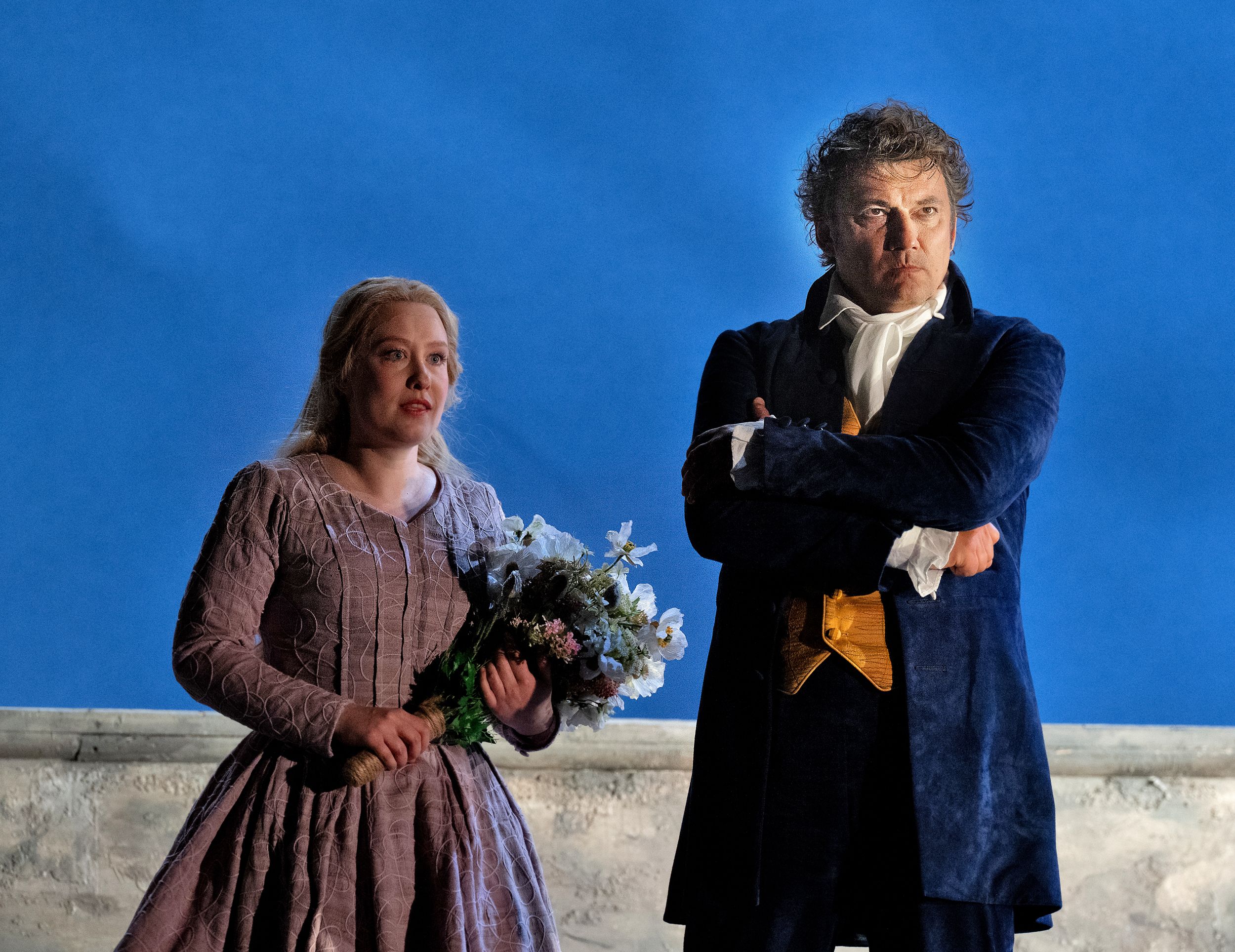 Akhmetshina’s is a supple, fine-liner of a mezzo – darkly powerful at the top, but smooth and even right the way down. There are plenty more Carmens in her future, but her Charlotte is a different beast: passionate but contained. Priggishness is a real risk for this heroine (it’s hard to forget Thackeray’s wicked satire: “Charlotte, having seen his body/Borne before her on a shutter/Like a well-conducted person/Went on cutting bread and butter”) but Akhmetshina (pictured below with Kaufmann) manages the balance of warmth and restraint with intelligence, pacing the slow reveal so “Va! Laisse couler mes larmes” shocks with its new intensity.
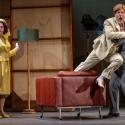
We’ve seen some serious chemistry in this staging, but what we get here is something harder to stomach. Akhmetshina’s youth and Kaufmann’s age, his rigidity and her tenderness, make for a disturbing letter scene – his physicality violent rather than passionate. Add in Gordon Bintner’s handsomely sung but autocratic Albert and there’s a seam of patriarchal threat that sits uncomfortably against the domestic intimacy of The Bailli (Alastair Miles) and his family, including Sarah Gilford’s sweetly-sung Sophie. 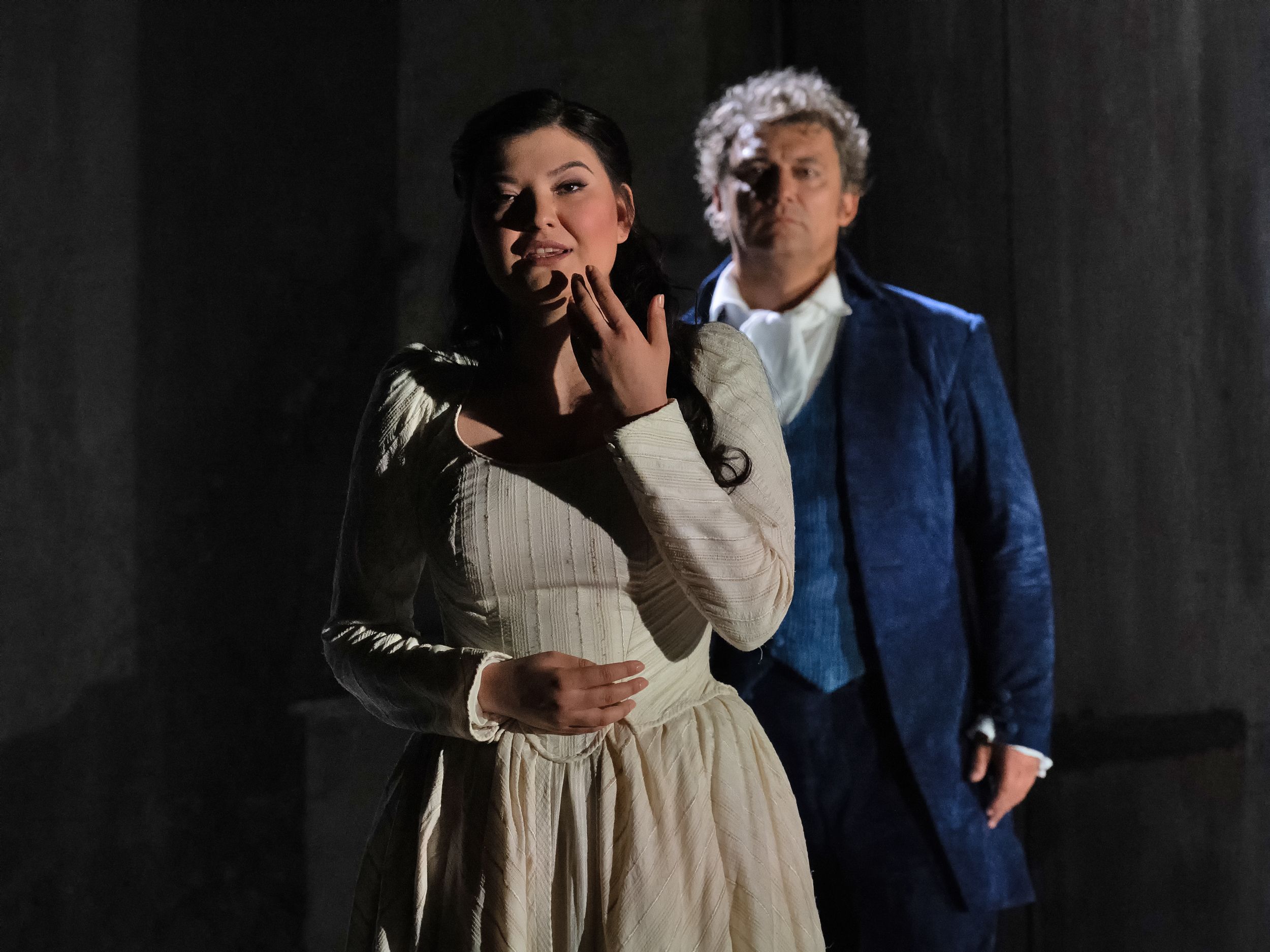 Antonio Pappano is leaving nothing on the table this season, galvanising the orchestra into an unapologetically urgent account of the score. There are moments of lightness – Sophie’s music, the muted sunshine of Act I – but from the Prelude onwards we’re held firmly on a tragic trajectory, violence unavoidable, pushing regularly into the foreground. It doesn’t make for an evening of great romance, but it does almost make a masterpiece of Massenet’s heady score.